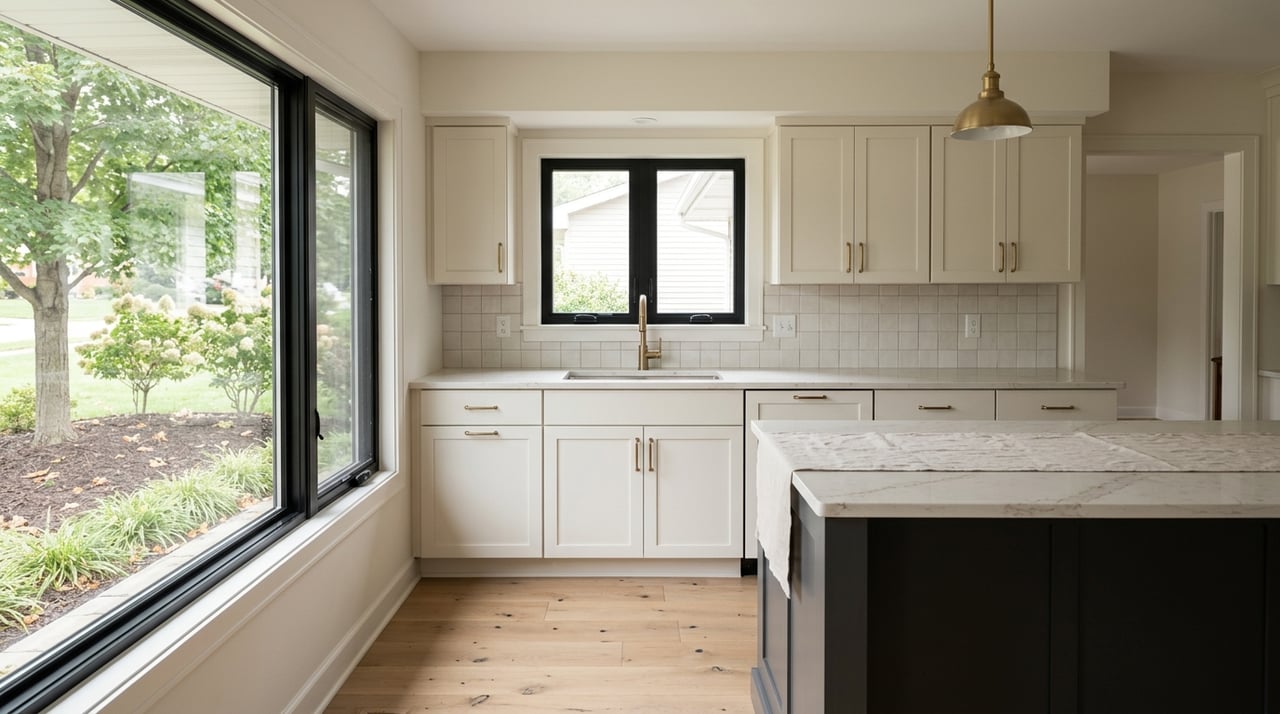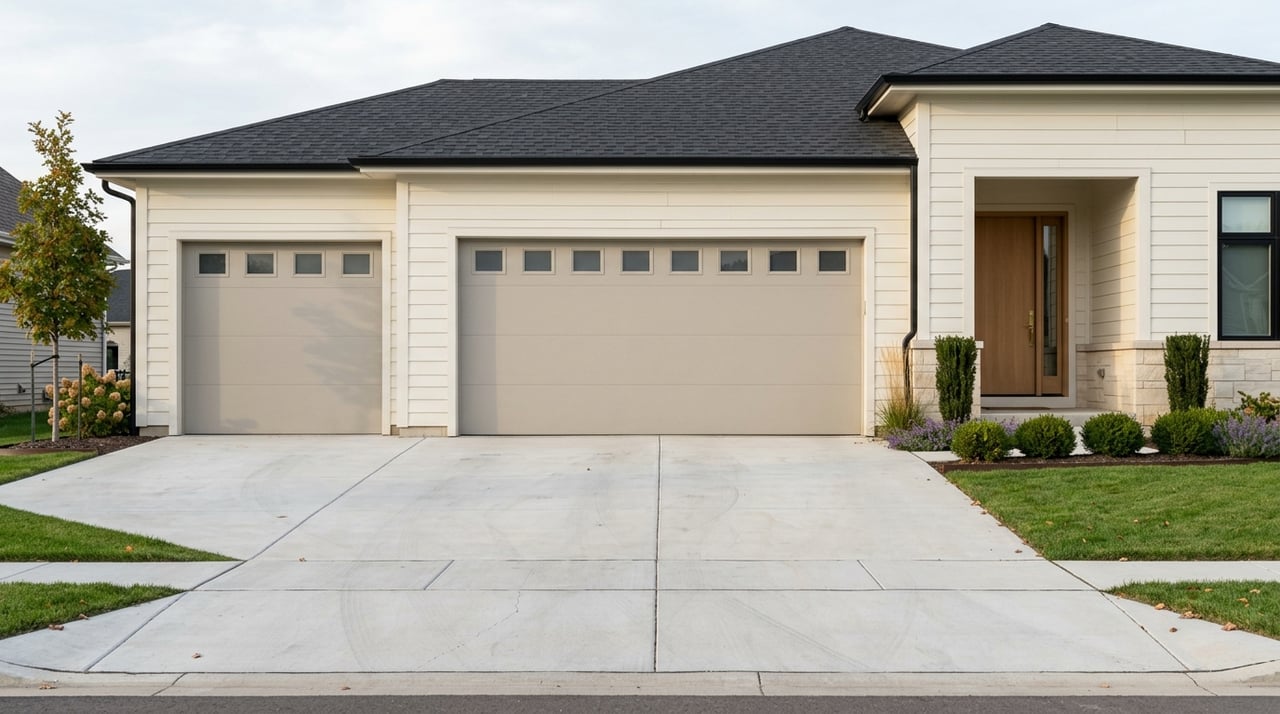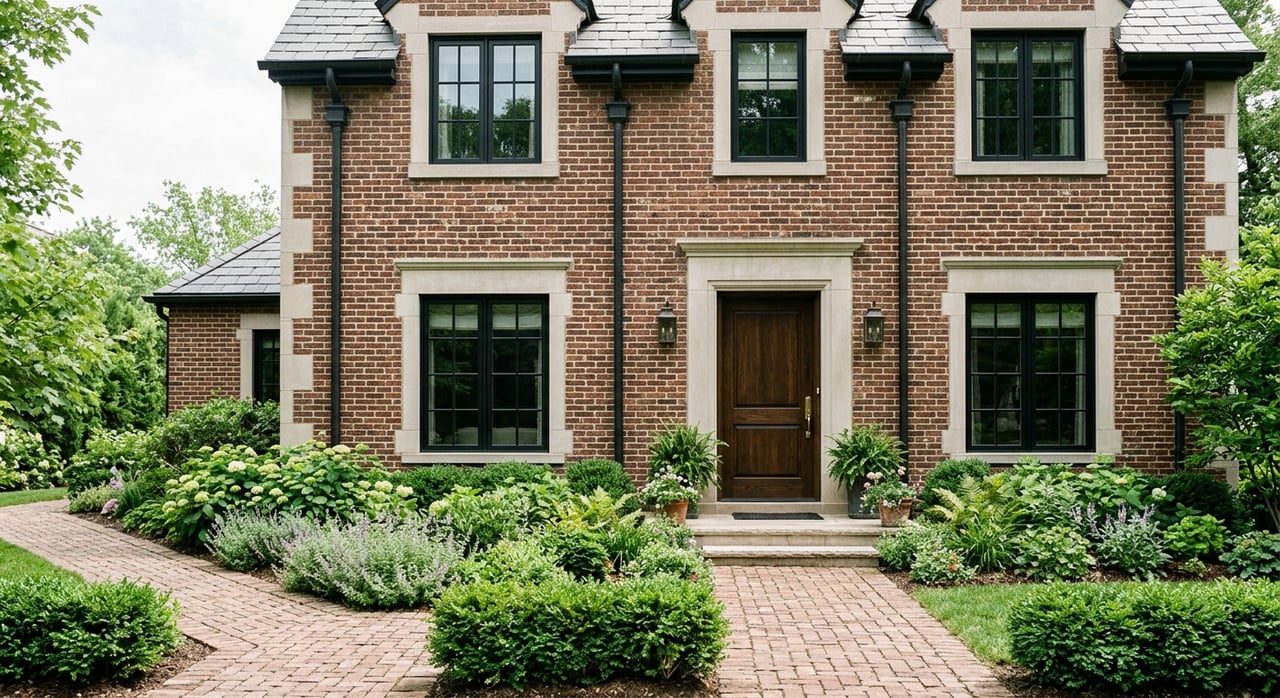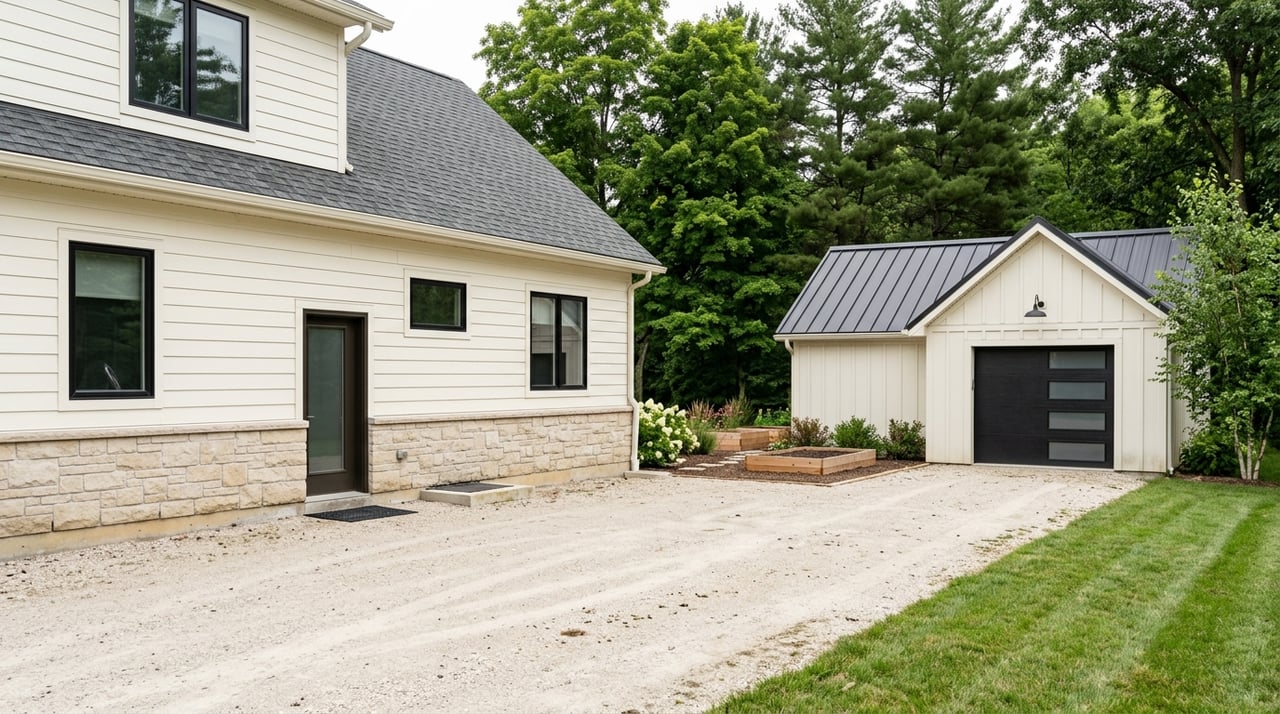
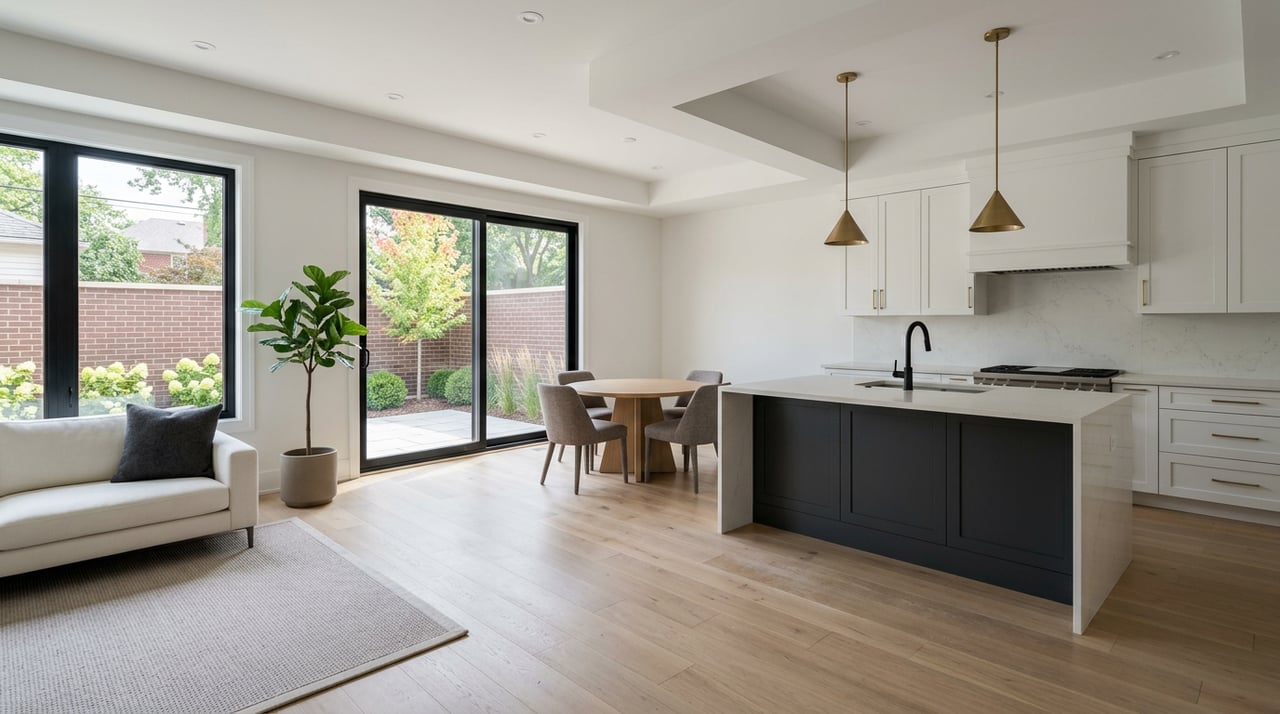
If you want low-maintenance living near Michigan State University without giving up comfort or convenience, East Lansing’s condos and townhomes deserve a close look. Whether you work on campus, are in grad school, or want a lock‑and‑leave lifestyle close to dining and parks, the right community can make daily life easier. In this guide, you’ll learn where these homes cluster, what they typically cost, how HOA rules work, and how to match each area to your commute and routine. Let’s dive in.
Choose your condo or townhome fit
East Lansing offers three broad product types that suit different lifestyles:
- Downtown and campus-adjacent midrise condos. These sit along the Albert–Grand River–Michigan Ave corridor and often include structured parking, elevator access, and a short walk to campus and shops. A known building on this strip is 600 Albert Ave, which illustrates downtown pricing and garage options in the core.
- Garden‑style condos and attached townhomes near campus. You’ll see these in clusters like Brentwood Park and along West Saginaw, as well as in communities such as Carriage Hills, Stone Lake, and Chartwell. They tend to include assigned parking or garages, plus amenities like a pool or clubhouse.
- Larger suburban townhomes and freestanding condo units. Out toward pockets like Sapphire Lakes and East End, you’ll find more space, cul‑de‑sacs, and a quieter residential setting with a short drive to campus.
If you value a walkable, urban feel, focus on downtown. If you want more space and on‑site parking with a short commute, look at garden‑style and townhome communities a mile or two out. If you prefer a calmer neighborhood feel and easy access to highways and shopping, consider the outer pockets.
Where to look by zone
Use this simple “zones” approach to save time.
Walkable downtown and campus
This band sits within roughly 0.5 mile of MSU. You can step out for coffee, walk to the library, and get to campus meetings on foot. Midrise condo buildings in this area typically tie into garage or paid parking systems rather than surface lots. Expect compact floor plans and lifestyle convenience over large storage. Newly built and ranch‑style downtown condos often trade in the roughly 290k to 345k band for larger units, while smaller 1‑bed options in older buildings can be more budget friendly.
Pros:
- Shortest walk to campus, shops, and dining.
- Transit and bike access are excellent.
- Minimal exterior maintenance with lock‑and‑leave ease.
Considerations:
- Structured or paid garage parking is common.
- Smaller storage and higher price per square foot.
- HOA rules and building policies can be more detailed in larger complexes.
Short bus or bike zone
From about 0.5 to 1.5 miles out, you’ll find garden‑style condos and mixed buildings along West Saginaw and the downtown fringe. Brentwood Park is a representative example used in listings to show quick access to MSU and bus lines. Many of these communities market directly to MSU‑adjacent buyers and investors, with assigned parking, carports, or one‑car garages. Typical 2‑bed condos in this band often run from about 135k to 300k depending on size, condition, and proximity to campus.
Pros:
- Good value per square foot compared with downtown.
- Assigned parking or garages are common.
- On CATA routes with short bus rides to campus.
Considerations:
- Not all complexes allow renting or short‑term stays.
- HOA rules vary on pets and renovations.
- Walkable options exist but trips may skew toward biking or bus.
Drive or CATA suburb zone
Past 1.5 miles, communities like Carriage Hills, Innkeepers Court, Stone Lake, Chartwell, and Sapphire Lakes offer attached townhomes and larger freestanding condo units. You’ll often see on‑site amenities, attached garages, and more square footage. Three‑bed townhomes and larger units frequently close in the 180k to 300k+ range, while some upper‑end offerings list above 400k to 550k.
Pros:
- More space, storage, and attached garages.
- Community amenities like pool or clubhouse.
- Quieter residential pockets while staying MSU‑convenient.
Considerations:
- Most daily trips are by car or CATA.
- Larger footprints can mean higher HOA dues if amenities are extensive.
- Verify leasing, pet, and exterior-change rules early.
Quick orientation by distance
- Under 0.5 mile to campus: Downtown core near Albert Ave and Grand River Ave. Example address to visualize: 600 Albert Ave.
- 0.5 to 1.5 miles: West Saginaw corridor and downtown fringe. Example addresses: 338 W Saginaw St, Roxburgh Ave.
- Over 1.5 miles: Suburban clusters with garages and amenities. Example addresses: Innkeepers Court, Sapphire Lane.
These examples are for orientation so you can picture the zones while you search.
Prices and HOA ranges
Representative price points across East Lansing’s condo and townhome market:
- Smaller 1‑bed or studio condos in older buildings near campus: often about 70k to 150k, with recent 1‑bed examples around 115k to 130k in past sales.
- Two‑bedroom condos, garden or midrise: commonly around 135k to 300k depending on size, finishes, and proximity to MSU.
- Larger 3‑bed townhomes: often 180k to 300k+, with townhouse and duplex‑style condos seen in the mid‑200ks to upper 200ks.
- Upper‑end townhomes or large detached condo units: select communities list above 400k to 550k.
HOA dues in East Lansing often range from about 200 to 560+ per month, with many communities clustering between 250 and 450. What dues typically include: water, sewer, trash, snow removal, lawn care and landscaping, exterior maintenance, building insurance, and shared amenity upkeep. Michigan rules require condo associations to keep a reserve fund for major repairs to common elements, but boards may still levy special assessments when reserves or budgets fall short. Before you offer, ask for the current budget, reserve balance, and any recent special‑assessment history. See the Michigan administrative rule on reserves for context in R 559.511.
Parking and getting to campus
Most townhome and garden‑style condos include assigned surface parking, a carport, or a one‑car garage. Downtown midrise condos usually rely on structured garage parking, and spaces may be deeded, assigned, or leased for a separate monthly fee. If parking is critical, confirm whether the unit includes a dedicated space, how guest parking works, and whether there are separate garage fees.
If you prefer to bus or bike, CATA’s campus‑focused “Spartan Service” routes run frequently during the academic year and connect many near‑campus neighborhoods to MSU. You can review network details in this CATA Spartan Service overview. MSU also coordinates campus transit, which is noted in university materials; you can learn more in MSU’s general information guide. If you plan to park on campus daily, check MSU Parking Services early for current permit types and costs.
Rules that shape your use
Renting and short‑term rules
The Michigan Condominium Act allows associations to set leasing procedures, notice requirements, and enforcement. Many associations require advance notice before leasing and may have rental caps or minimum owner‑occupancy periods. If you plan to rent long‑term or occasionally, get the exact leasing clause from the bylaws and any occupancy cap in writing. Review the law’s framework here: Michigan Condominium Act overview.
Short‑term rentals, like Airbnb or Vrbo, are typically governed by a mix of local rules and association restrictions. East Lansing has monitored short‑term rental policy in city planning work, and many Michigan associations prohibit short‑term rentals. If short‑term income is part of your plan, verify both city rules and the condo association’s policy. You can see context in a city planning document on short‑term rentals here: East Lansing planning archive.
Pets and accommodations
Condo associations often set pet rules on number, size, or breeds. If pets are a priority, request the pet policy and any registration requirements before you offer. Associations must follow federal housing laws when someone requests a reasonable accommodation for a service or emotional support animal. For a practical overview of how associations approach pet policies and accommodations, review this Michigan HOA and condo resource.
Renovations and approvals
Most associations require written approval for any change that affects common elements or the exterior, such as windows, decks, and structural items. Cosmetic interior work is usually simpler, but plumbing or HVAC changes that touch shared systems often need board approval and city permits. If a property sits in a historic district, the city may require a certificate of appropriateness. You can explore city permitting FAQs here: City of East Lansing FAQs.
Financing checkpoints
Not every condo project qualifies for standard conventional, FHA, or VA loans. Factors like owner‑occupancy ratio, HOA delinquencies, litigation, or commercial space can make a project non‑warrantable or require a specialized loan. If you need FHA or VA, confirm that the project is eligible and ask your lender about single‑unit approvals if applicable. A helpful explainer on FHA condo approval is here: FHA condo approval overview.
Get pre‑approved early and have your lender confirm they will lend in your specific project. If you pivot during your search, recheck warrantability before you submit an offer.
Quick red flags to avoid
- Low or zero reserves with visible deferred maintenance. Michigan rules require a reserve fund. Ask to see the reserve plan and balance. See R 559.511 on reserves.
- High dues with no clear reserve strategy. Request the budget and the reserve study or plan.
- Frequent or large special assessments in recent board minutes.
- Active association litigation or large uninsured claims that could limit lending and resale.
- Leasing caps, owner‑occupancy thresholds, or short‑term bans that do not fit your intended use. Review the Michigan Condominium Act overview and the association’s bylaws.
Offer‑stage buyer checklist
Use this checklist when you are serious about a unit. Request items in writing and review them with your agent and lender.
- Current HOA documents: master deed or declaration, bylaws, rules and regulations, and all amendments. See the framework in the Michigan Condominium Act.
- Most recent budget and year‑to‑date financials, current reserve balance, and the reserve policy. Michigan’s rule on reserves is R 559.511.
- Resale certificate or estoppel letter showing monthly dues, any outstanding or upcoming special assessments, and litigation.
- Minutes from the last 12 months of board meetings.
- Association insurance certificates, including property and fidelity coverage, plus copies of any open claims.
- Leasing documents: a copy of the standard lease form if the association requires one, and the bylaw sections on leasing caps and tenant rules. Reference statute sections via the Michigan Legislature site.
- Pet policy and any registration details, plus the association’s reasonable‑accommodation process. See this Michigan HOA and condo resource for context.
- Parking assignment paperwork for deeded or assigned spaces, guest rules, and any monthly garage fees.
Find your best‑fit next step
Choosing between downtown convenience, a short bus ride, or a quieter townhome community comes down to how you plan to use the space and get to campus. Start by locking in your financing path, then filter communities by commuting needs, parking, and HOA rules that match your lifestyle. With a construction‑literate eye on building systems and association health, you can buy confidently and avoid costly surprises.
If you want a local, construction‑aware guide to help you compare communities, read association documents, and line up the right lender for your project type, connect with Nicole Giguere. Let me lead you home.
FAQs
What do condos and townhomes cost in East Lansing?
- Small 1‑bed units in older buildings often run about 70k to 150k, many 2‑beds land between 135k and 300k, larger 3‑bed townhomes often run 180k to 300k+, and select upper‑end offerings list above 400k to 550k.
How much are typical HOA dues and what do they include?
- Many communities fall in the 250 to 450 per month range, with a broader observed range of about 200 to 560+. Dues often cover water, sewer, trash, snow removal, lawn care, exterior maintenance, building insurance, and shared amenities.
Is parking difficult if I live in downtown East Lansing?
- Many downtown buildings use structured garage parking with deeded, assigned, or leased spaces and separate monthly fees. If you want to skip daily driving, review CATA’s campus‑focused options in the Spartan Service overview.
Can I rent out my East Lansing condo?
- Associations can require notice before leasing and may set rental caps or owner‑occupancy rules under the Michigan Condominium Act. Short‑term rentals also depend on local policy and your HOA; see the city’s planning archive on short‑term rentals and verify your bylaws.
Are pets allowed in East Lansing condo communities?
- Many HOAs allow pets with size or number limits; always request the written policy. Associations must follow fair housing rules on reasonable accommodations for service or emotional support animals; see this Michigan HOA and condo resource for an overview.
What is a warrantable condo and why does it matter?
- Warrantability affects which loans you can use. Factors like owner‑occupancy levels and litigation status matter. If you need FHA or VA, confirm project eligibility early. For a primer, review this FHA condo approval explainer.