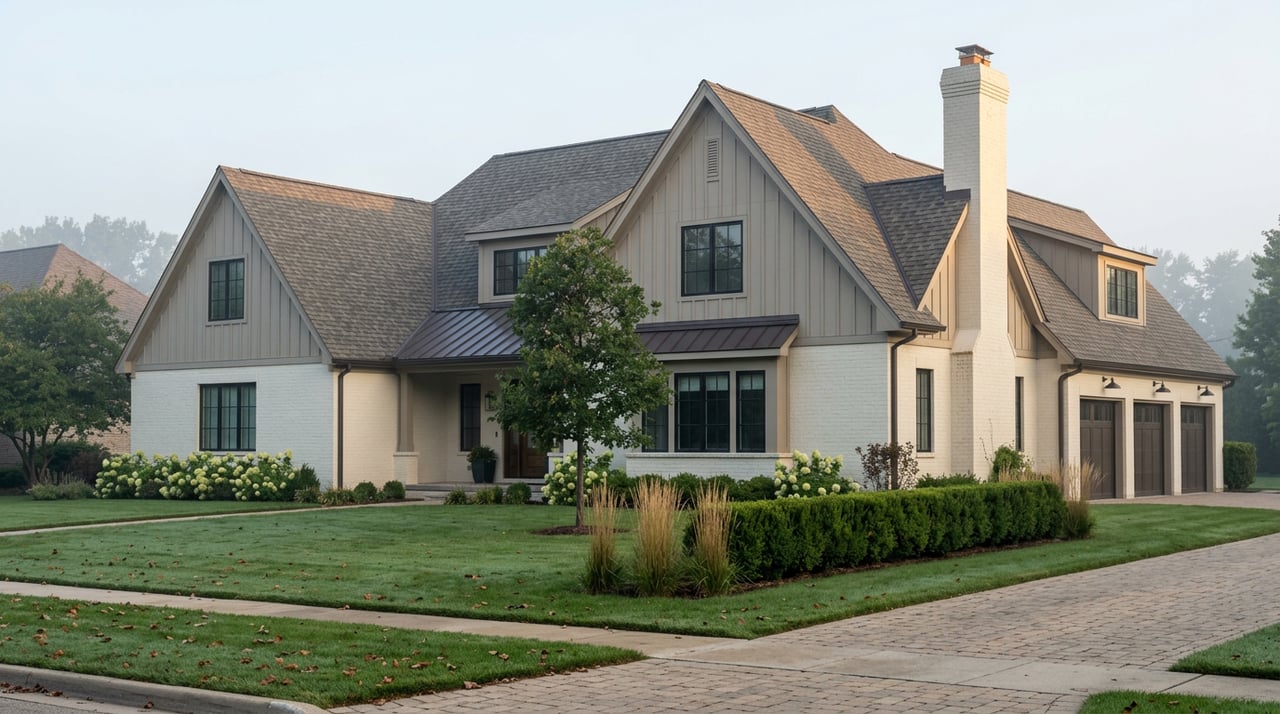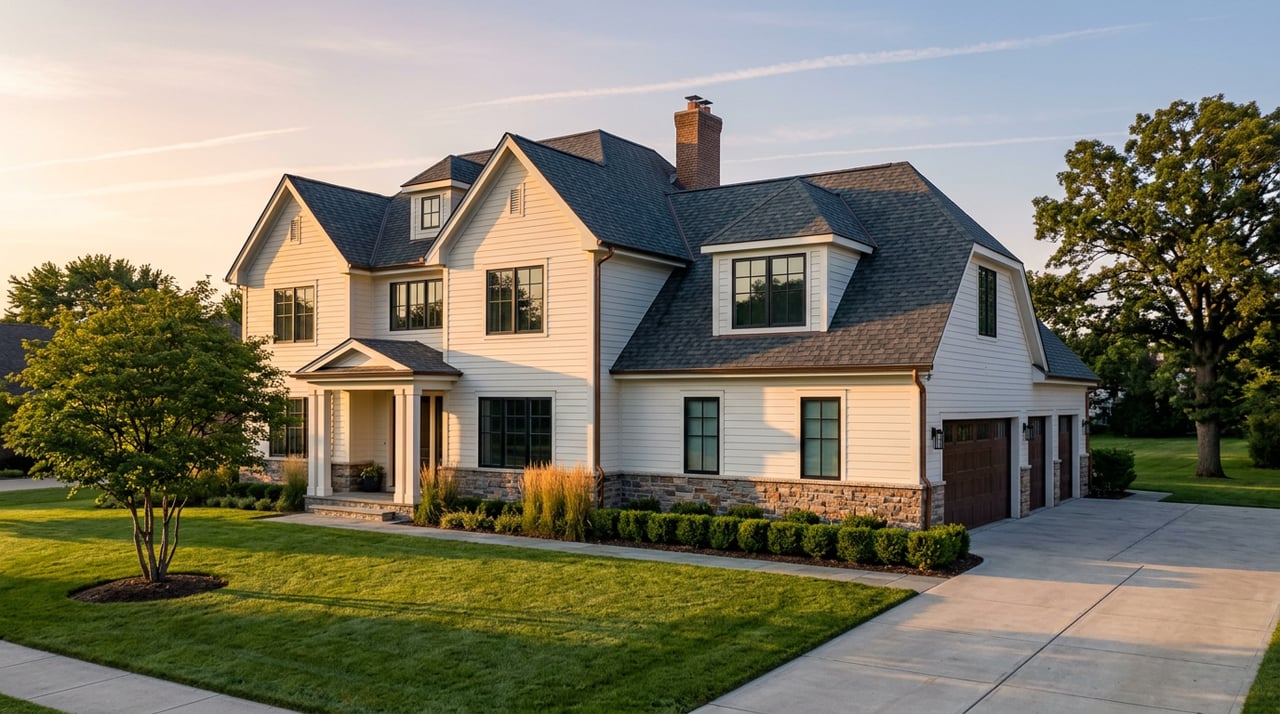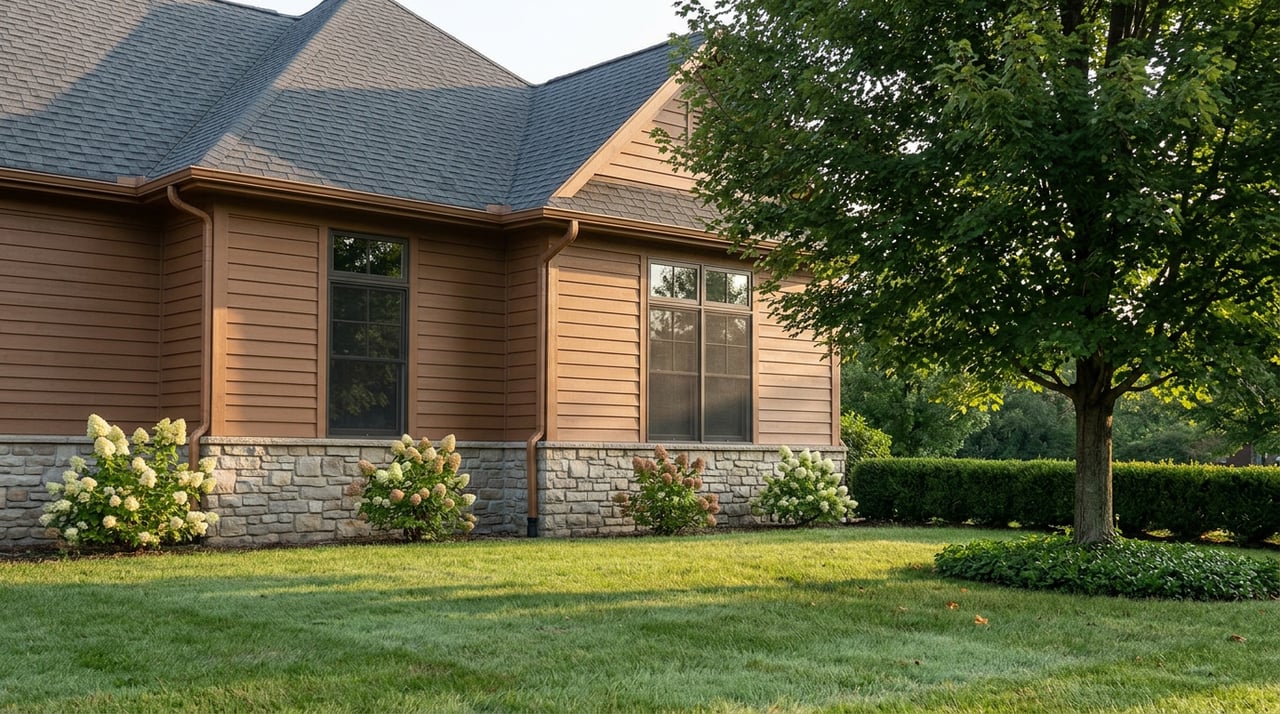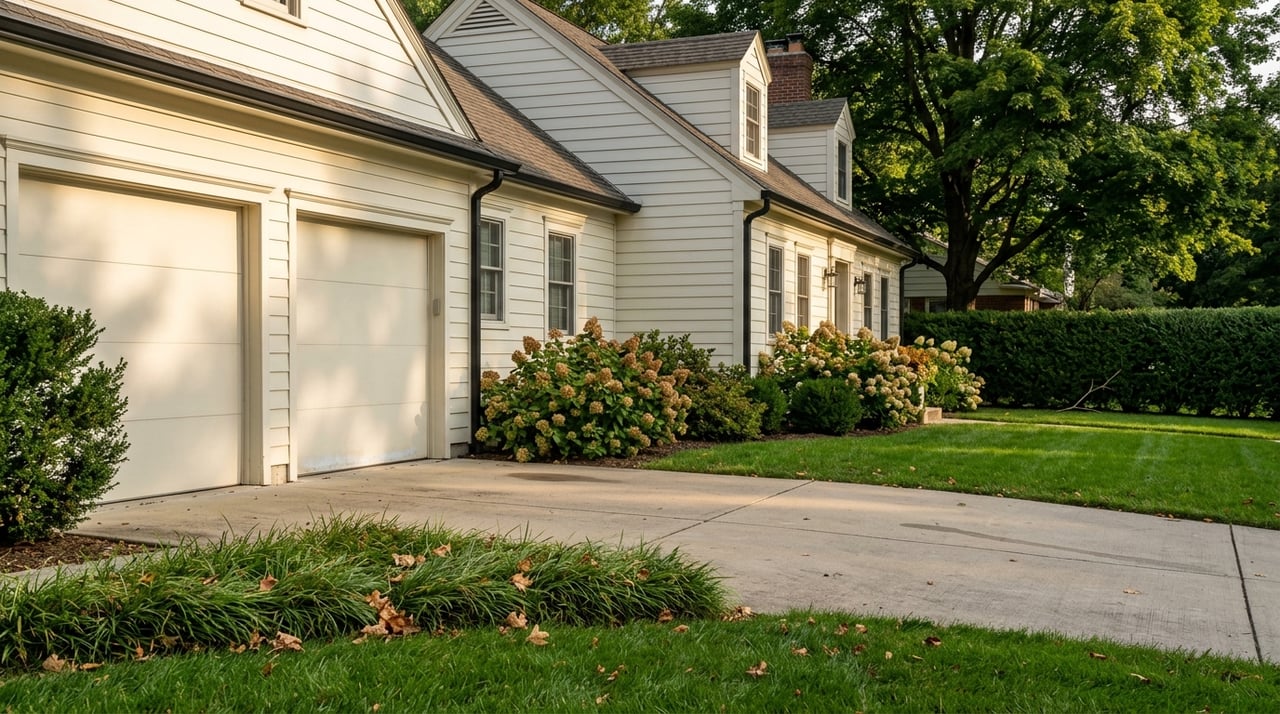
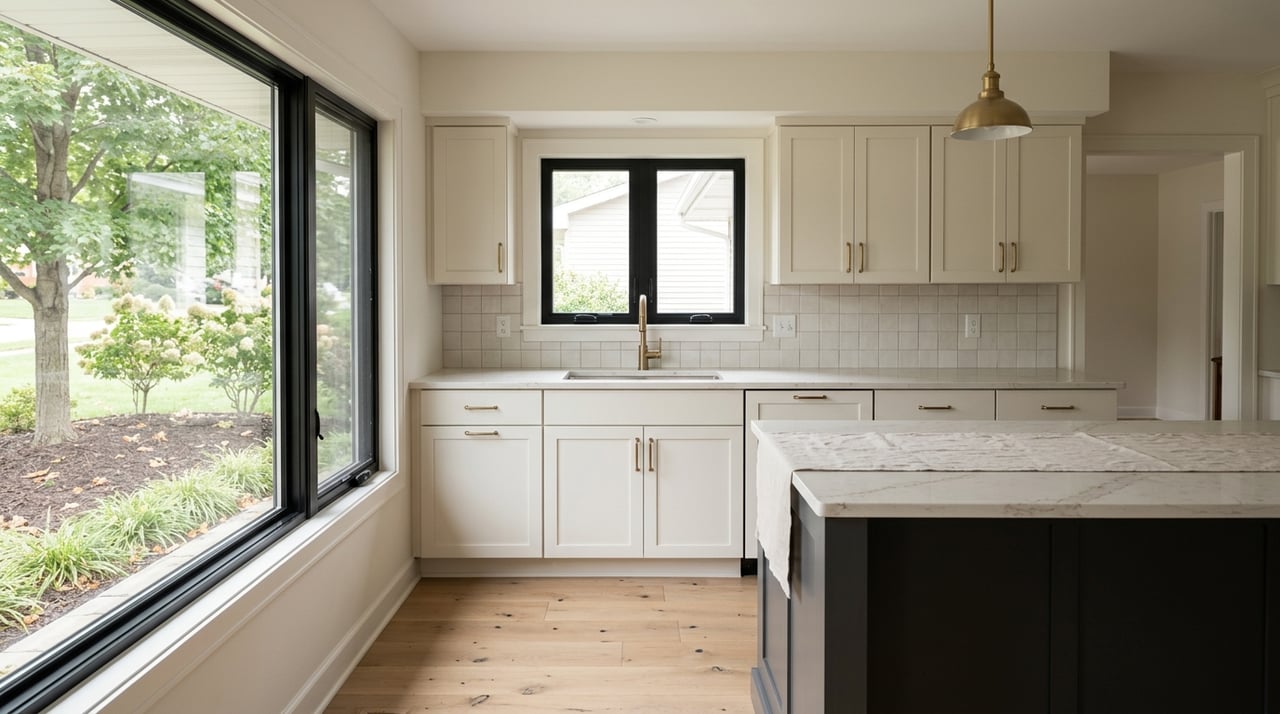
Older homes have something many newer homes simply can't replicate—character.
Whether it's original hardwood floors, detailed trim work, mature landscaping, or established neighborhoods, many older Lansing homes have features that buyers genuinely appreciate. At the same time, today's buyers also want confidence that the home has been well maintained.
One of the questions I hear most often from sellers is:
"What should I update before putting my home on the market?"
The good news is that you don't need to completely renovate your home to maximize its value.
The goal isn't creating a brand-new house.
It's presenting your home in a way that helps buyers recognize its value while minimizing concerns about future maintenance.
As a REALTOR® serving Greater Lansing and Mid-Michigan—and with more than a decade of experience in custom home construction before beginning my real estate career—I help sellers focus on the improvements that matter most, not simply the ones that cost the most.
Let's dive in.
Start With What Buyers Notice
When buyers walk into an older home, they often begin evaluating condition before they admire character.
They're asking themselves questions like:
- Has this home been well maintained?
- Will I be facing expensive repairs after I move in?
- Is this home worth the asking price?
While fresh paint, updated lighting, and modern finishes certainly make a great first impression, cosmetic improvements rarely eliminate concerns about aging mechanical systems or deferred maintenance. Buyers want to feel confident that the home has been cared for over time.
One thing I always tell sellers is this:
Condition builds confidence.
When buyers feel confident in the condition of a home, they're often much more comfortable making a strong offer.
Prioritize Repairs Before Upgrades
One of the biggest mistakes I see sellers make is spending thousands of dollars on remodeling before addressing basic maintenance items.
Before considering expensive cosmetic updates, focus first on the home's major systems and repairs.
That often includes:
- Roof condition
- HVAC system
- Plumbing leaks
- Electrical concerns
- Moisture intrusion
- Foundation maintenance
Addressing these issues before listing helps reduce inspection surprises and often leads to smoother negotiations once you're under contract.
If you're trying to decide whether updating your current home makes more sense than building a new one, my article Construction Loan Mortgages In Mid-Michigan explains what to consider before starting from scratch.
Focus On Major Systems First
Buyers commonly ask about the age and condition of major systems because they understand these are some of the largest future expenses they'll face.
Before listing, gather information about your:
- Roof
- Furnace
- Air conditioner
- Water heater
- Plumbing
- Electrical system
- Windows
Even if these systems aren't brand new, providing maintenance records and demonstrating they've been properly cared for goes a long way toward building buyer confidence.
Address Moisture Issues Early
Basement moisture, drainage problems, and grading concerns deserve attention before your home goes on the market.
If you've noticed dampness, musty odors, water stains, or standing water around your foundation, it's worth correcting the source of the problem before investing in cosmetic improvements.
Trying to paint over an active moisture issue rarely builds trust and often becomes apparent during inspections.
Make High-Impact Cosmetic Improvements
Once the home's major systems are in good shape, focus on improvements that help buyers immediately feel at home.
Some of the highest-impact updates include:
- Fresh neutral paint
- Updated cabinet hardware
- Modern light fixtures
- Fresh caulk
- Repaired grout
- Updated faucets
- Thorough deep cleaning
These relatively inexpensive improvements often make an older home feel brighter, cleaner, and move-in ready.
Refresh Kitchens And Bathrooms
A complete remodel isn't always necessary.
If the layout works well, smaller improvements often provide an excellent return on investment.
Updating fixtures, repairing worn surfaces, replacing dated hardware, and giving these rooms a fresh appearance can dramatically improve buyer perception without requiring a major renovation.
Improve Lighting And Everyday Function
Lighting has a tremendous impact on how buyers experience a home.
Replacing dated fixtures and making sure every room is bright and welcoming can instantly modernize an older property.
At the same time, don't overlook small maintenance items like:
- Sticky doors
- Loose handles
- Dead outlets
- Broken switches
- Non-working light fixtures
Individually these may seem insignificant.
Collectively they shape how well maintained buyers believe the home has been.
Highlight Energy Efficiency
Today's buyers pay close attention to monthly operating costs.
If you've invested in insulation improvements, weatherstripping, HVAC maintenance, or a smart thermostat, be sure to highlight those updates during the selling process.
These improvements help buyers understand they're purchasing a home that's been thoughtfully maintained—not simply cosmetically updated.
Boost Curb Appeal Before Professional Photography
Your home's exterior creates the first impression.
Simple improvements often make the biggest difference:
- Fresh mulch
- Trimmed landscaping
- Clean walkways
- Working exterior lighting
- A freshly painted front door
- Pressure-washed siding and concrete
- A clean, welcoming entry
Remember...
Buyers often decide how excited they are about a home before they ever walk through the front door.
Follow A Smart Pre-Listing Plan
Rather than updating randomly, I recommend following a logical preparation plan.
- Walk through the home with your REALTOR®.
- Address major maintenance items first.
- Complete smaller repairs.
- Gather warranties and maintenance records.
- Deep clean and declutter.
- Finish cosmetic improvements.
- Stage the home if appropriate.
- Schedule professional photography.
Following this order helps you spend your budget wisely while creating the strongest possible first impression.
Every home is different. If you're unsure which improvements are likely to produce the best return in today's market, having a personalized strategy before listing can save both time and money.
Understand Michigan Seller Disclosures
Michigan sellers are generally required to complete a Seller Disclosure Statement for most one-to-four-unit residential properties.
Preparing maintenance records, invoices, warranties, and repair history before listing makes this process much easier while helping buyers feel confident about your home's history.
If you're planning to buy another home after selling, my First-Time Homebuyer's Guide To Buying A Home In Greater Lansing also explains what to expect on the buying side of the transaction.
Final Thoughts
One thing I've learned after years of working in both construction and real estate is that buyers don't expect older homes to be perfect.
They expect them to be well cared for.
The homes that typically sell the fastest aren't always the ones with the newest kitchens or the most expensive updates.
They're the homes where buyers feel confident that the seller has taken pride in ownership over the years.
If you're preparing to sell an older Lansing home, I'd be happy to help you determine which improvements are worth making, which projects you can likely skip, and how to position your home to attract today's buyers.
My goal is simple:
To help you maximize your home's value while avoiding unnecessary expenses.
Continue Exploring Home Selling Resources
If you're preparing to sell or comparing different types of homes throughout Greater Lansing, these additional guides may help:
- Looking For A Single-Family Home For Sale In Greater Lansing, MI?
- Historic Mason Homes vs. Newer Subdivisions
- Building or Buying Your Next Home in St. Johns
- Finding Small-Acreage Homes Near Williamston
- Construction Loan Mortgages in Mid-Michigan
About The Author
Nicole Giguere is a REALTOR® with Giguere Estates, PLLC and a member of the Seguin-Sprague Team at RE/MAX Real Estate Professionals. Before beginning her real estate career, Nicole spent more than a decade working in custom home construction, giving her a unique understanding of home design, construction quality, and long-term property value.
Today, she helps buyers and sellers throughout Greater Lansing and Mid-Michigan navigate every stage of the real estate process with confidence. Whether you're purchasing your first home, preparing to sell, relocating, or building a custom home, Nicole is committed to providing honest guidance, local expertise, and a personalized real estate experience from beginning to end.
If you're ready to BUILD • BUY • SELL in Greater Lansing or Mid-Michigan, Nicole would love the opportunity to help.
Nicole Giguere, REALTOR®
Giguere Estates, PLLC | Seguin-Sprague Team
RE/MAX Real Estate Professionals
📍 1755 Abbey Road, East Lansing, MI 48823
📞 (517) 242-0619
BUILD • BUY • SELL