Trying to decide between the charm of a historic home and the convenience of a newer subdivision in Mason, Michigan? Learn how architecture, maintenance, walkability, energy efficiency, and long-term ownership compare so you can make the right decision for your lifestyle.
Thinking about buying in Mason and torn between a home with history or a place with a newer floor plan? That is a common choice here because Mason offers both a true historic core and newer subdivision development on the edge of town. If you are weighing charm, upkeep, walkability, and renovation freedom, understanding the tradeoffs can make your decision much easier.
One thing I always encourage buyers to remember is that you're not simply choosing a house—you're choosing the lifestyle that comes with it. Some buyers fall in love with the character and history of an older neighborhood, while others appreciate the convenience, efficiency, and lower maintenance often found in newer construction. Neither choice is inherently better; it simply depends on what matters most to you.
If you're still deciding which Greater Lansing community best fits your lifestyle, my Greater Lansing Communities Guide is a great place to begin comparing the area's cities, neighborhoods, schools, and housing options.
Let's dive in.
Mason Gives You Two Different Living Experiences
Mason stands out because its housing is not all one style or era. The city has a historic downtown centered on the courthouse square, and it also has newer residential development beyond that older core. That means your day-to-day experience can feel very different depending on where you buy.
Mason's historic identity is well documented. The city includes the Courthouse Square Historic District, Maple Street Historic District, and Westside Neighborhood Historic District on the National Register, which shows that its older housing is part of a larger historic residential pattern—not just a few scattered older homes.
Newer housing tells a different story. City planning materials reference subdivision growth such as Rayner Ponds Phase 4, a new residential subdivision with 20 buildable lots and a common area. For buyers, that creates a clear comparison between older in-town neighborhoods and more recent subdivision living.
Historic Mason Homes at a Glance
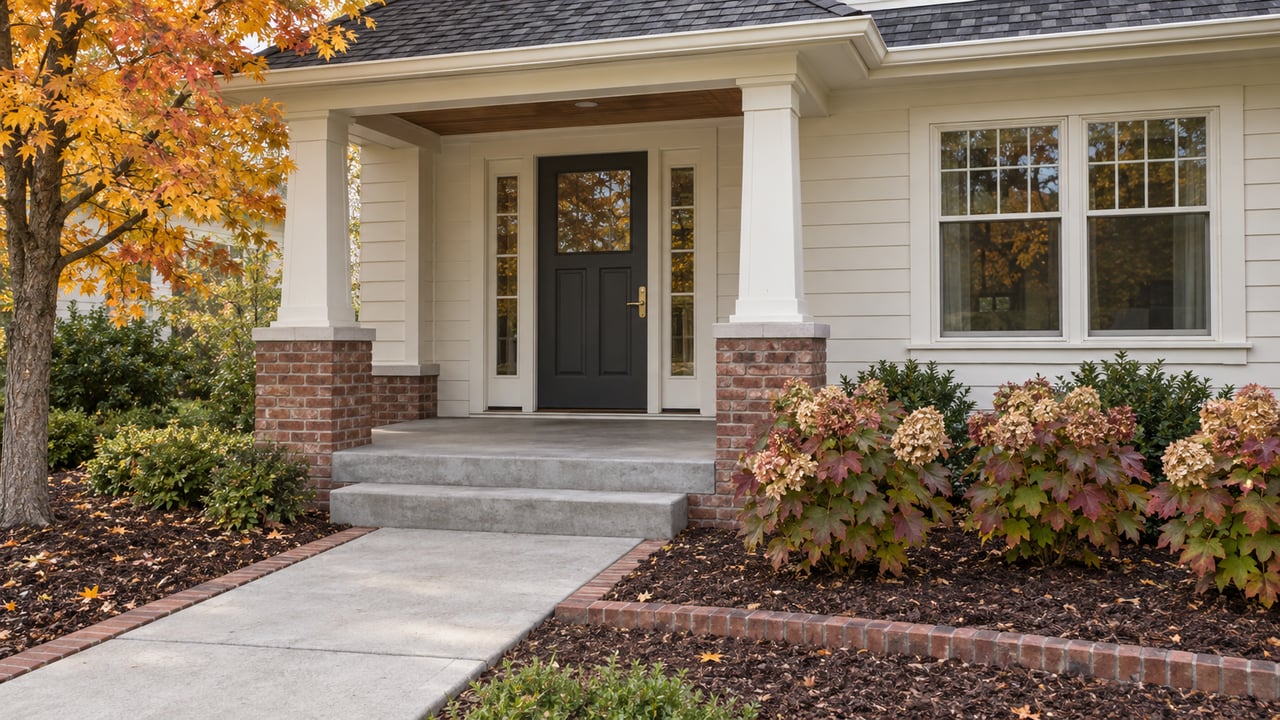
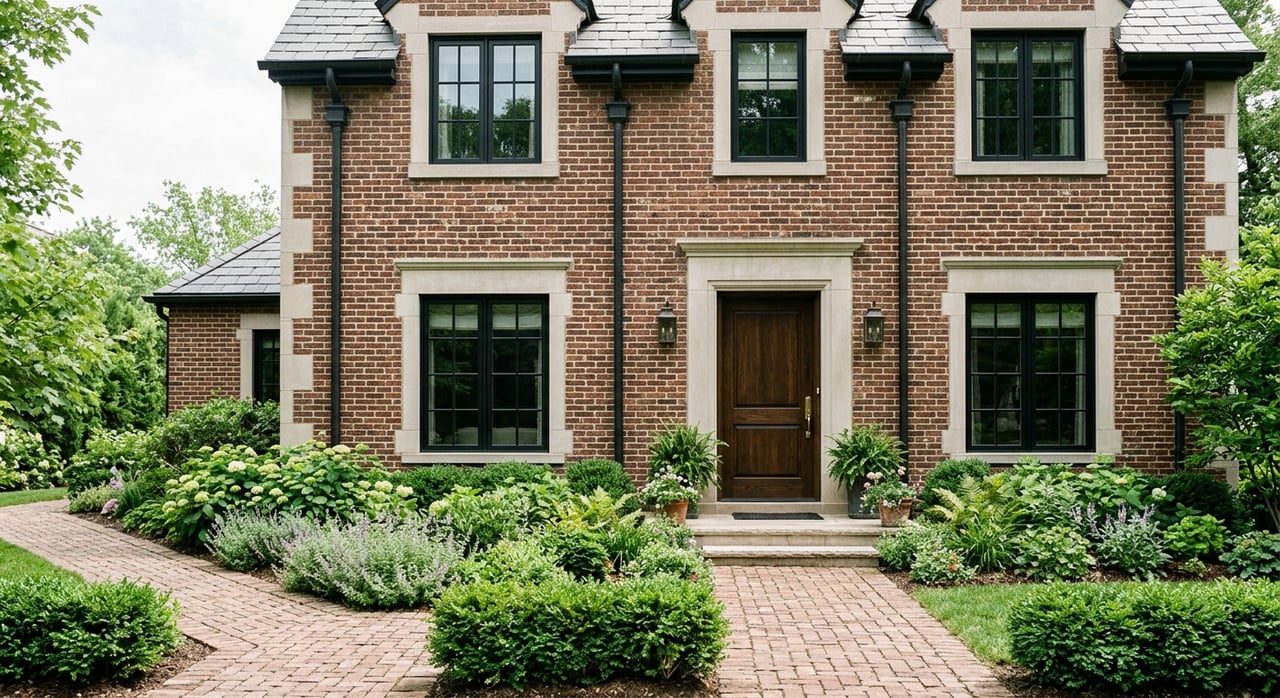
Historic homes in Mason are most closely tied to the streets around the courthouse square and nearby older blocks. These homes often reflect early twentieth-century architecture and a more traditional neighborhood layout. If you love homes that feel distinct from one another, this part of Mason may catch your eye.
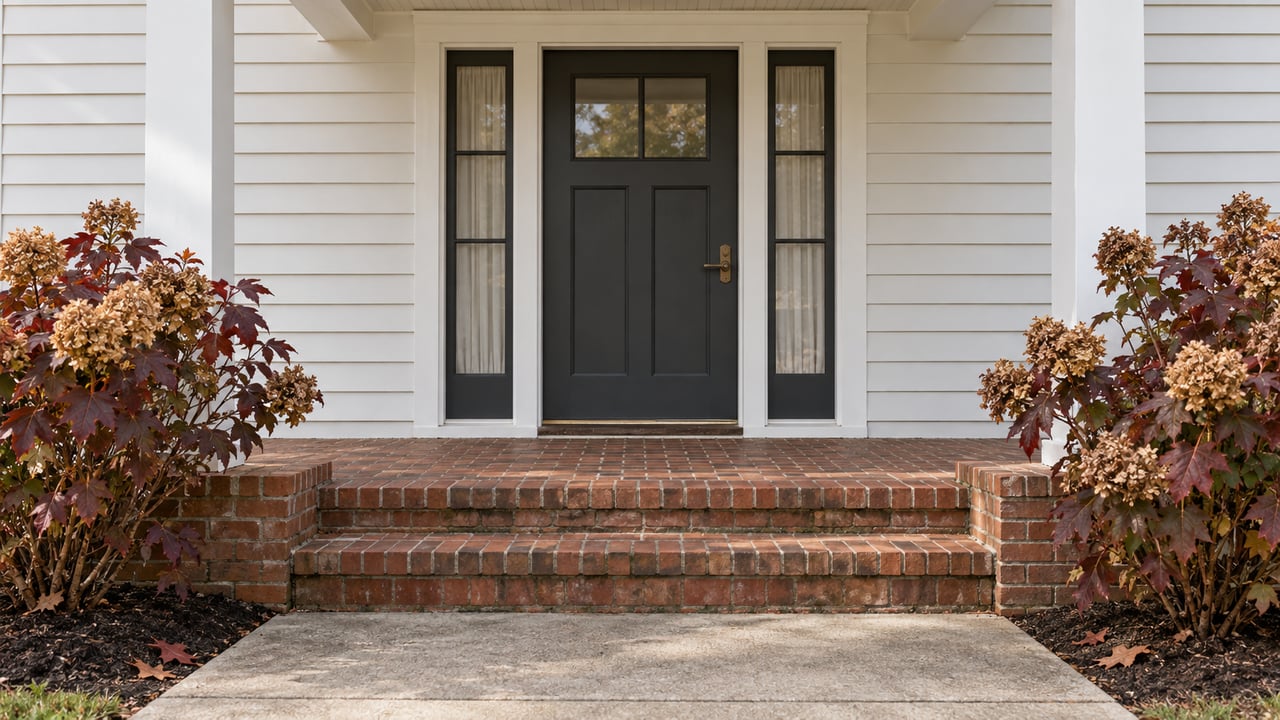
The city's historic resource documentation describes a mix of Queen Anne, Colonial Revival, Craftsman, Bungalow, and vernacular house types. In practical terms, that can mean front porches, detailed trim, gables, and varied rooflines. Many of these homes have a look and feel that is difficult to replicate in newer construction.
Historic homes also tend to offer a stronger sense of place. Downtown Mason features the historic 1905 courthouse and classic architecture, which adds to the everyday feel of the area. If you want your home search to include visual character and a more established streetscape, older Mason homes may deliver that in a way newer neighborhoods usually do not.
Many buyers appreciate the charm of historic homes but wonder how they compare to newer construction. Understanding both options can help you decide which type of home best supports your lifestyle and long-term goals.
One of the things I appreciate most about historic homes is the craftsmanship. Many older homes feature solid wood trim, custom millwork, plaster details, and architectural character that are difficult or very expensive to recreate today. However, I also encourage buyers to look beyond the charm and evaluate the home's major systems, structural components, and long-term maintenance needs before making a decision.
What buyers often like about historic homes
- Distinct architecture and period details
- Established streets near downtown Mason
- Closer connection to shops, parks, and trail links
- A more intimate block pattern than many newer subdivisions
Newer Mason Subdivisions at a Glance
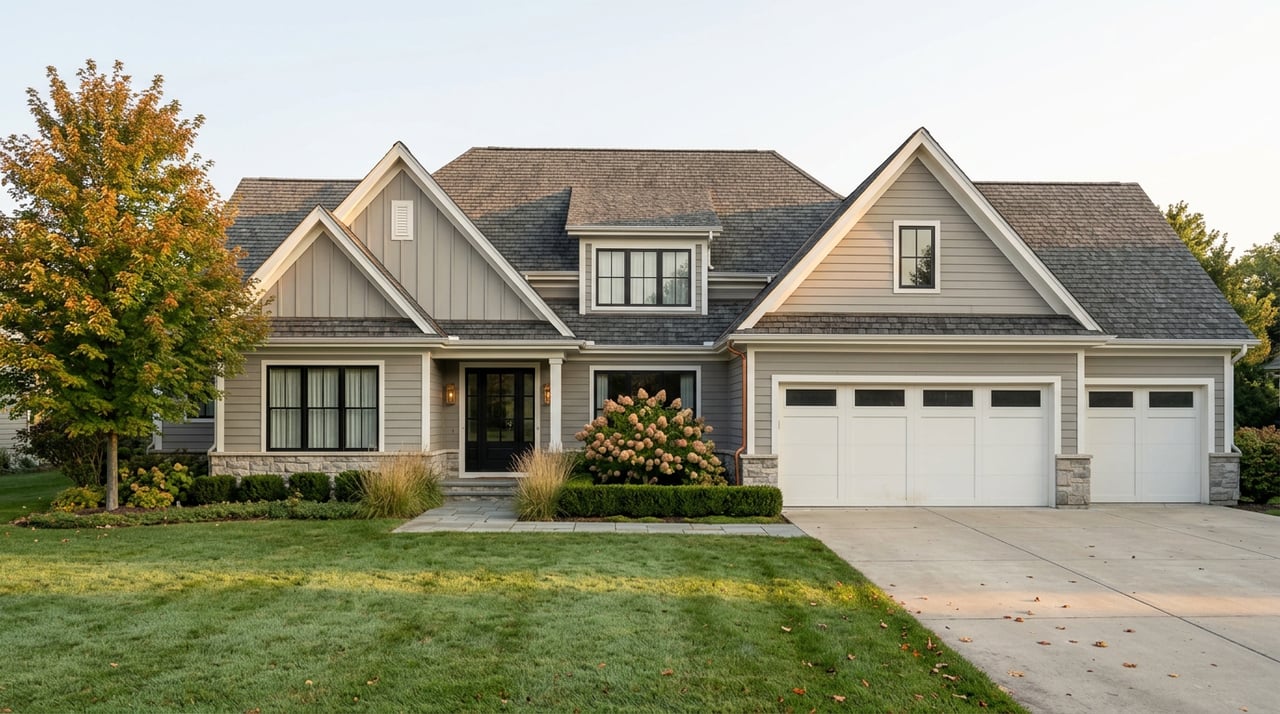
Newer subdivisions in Mason typically offer a more conventional suburban layout. Planning materials describe features like side-oriented garages, deeper setbacks, more greenspace, and planned neighborhood connections. That often translates into a different rhythm of living than you get near the courthouse square.
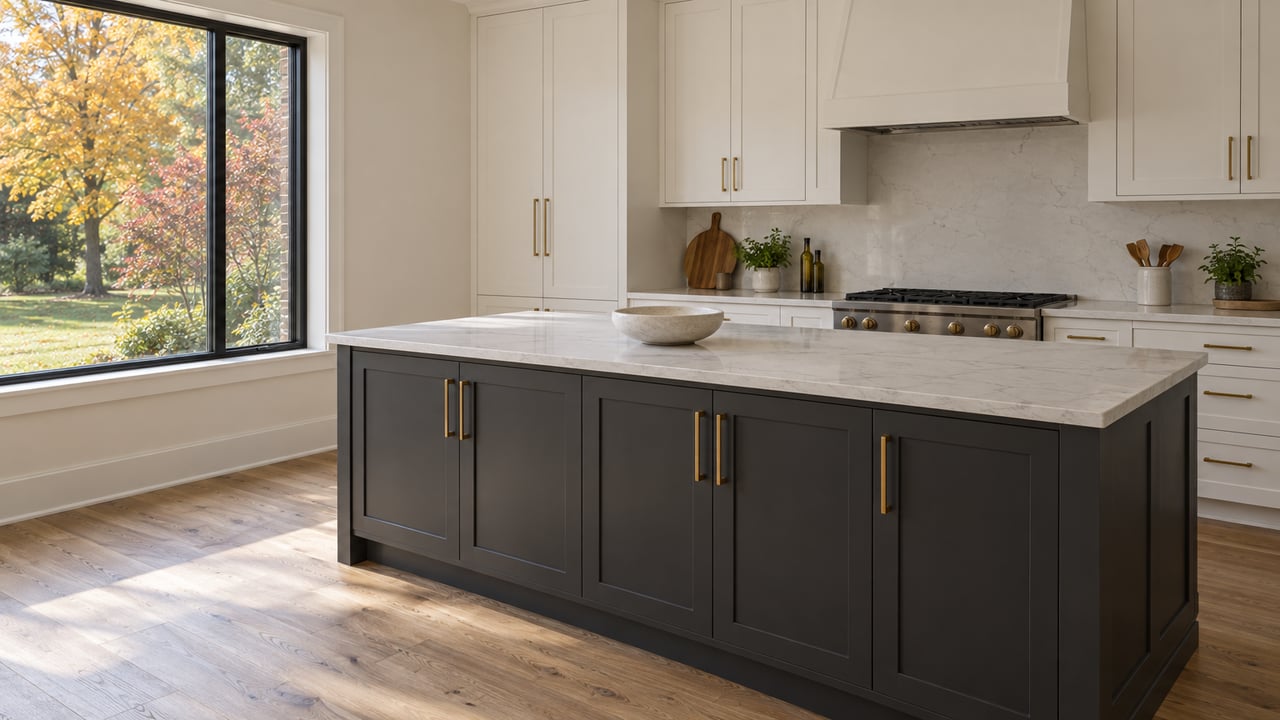
For many buyers, newer homes feel simpler at move-in. You may find more modern layouts, newer building materials, and fewer immediate repair projects. If you value a cleaner starting point and less uncertainty about older systems, newer subdivision homes may be the easier fit.
This option can also appeal to buyers thinking long term about function. My construction background is especially valuable here because newer neighborhoods and lot opportunities often raise questions about floor plans, future remodeling, resale value, and how well a home's layout will serve your family years from now.
If you're leaning toward newer construction, my Construction Loan Mortgages In Mid-Michigan guide explains how construction financing works and what to expect before building your own custom home.
What buyers often like about newer subdivisions
- More modern building envelope and materials
- Suburban lot layout with deeper setbacks
- Less day-one maintenance in many cases
- Fewer historic-review considerations for exterior projects
Walkability Is One of the Biggest Differences
If walkability matters to you, Mason's older core has a clear advantage. The downtown area is centered around the courthouse square, and the city maintains sidewalks along most major and local streets. Mason also has eight municipal parks and more than three miles of non-motorized trails.
The Mason Mile initiative adds another layer to that experience. It describes a one-mile downtown corridor with a focus on safety and walkability. If you picture enjoying restaurants, local events, parks, and a connected downtown lifestyle, historic Mason may be a better fit.
Newer subdivisions can still offer greenspace and neighborhood connections, but they generally provide a quieter suburban environment rather than the close-knit street pattern found near downtown.
Maintenance Is Where the Tradeoff Gets Real
Historic homes can be incredibly rewarding to own, but they often require a more careful eye. Older properties are more likely to have age-related maintenance needs involving roofs, windows, siding, chimneys, foundations, waterproofing, and other structural components. That doesn't make them a poor investment—it simply means a thorough inspection becomes even more important.
If you're considering an older Mason home, I always recommend looking beyond cosmetic updates. Fresh paint and beautiful hardwood floors are wonderful, but they shouldn't distract you from evaluating the home's overall condition. Understanding the age and condition of the major systems can help you budget appropriately and avoid unexpected surprises after closing.
One thing I've learned over the years is that buyers are often drawn to the character of older homes, but long-term satisfaction usually comes from understanding the home's condition before purchasing it. A quality home inspection isn't just about identifying problems—it's about helping you make an informed decision with realistic expectations for future maintenance.
If you're purchasing an existing home, understanding what to look for during showings and inspections can help you make a more informed decision.
Looking For A Single-Family Home For Sale In Greater Lansing, MI?
Smart inspection focus for older Mason homes
- Roof condition
- Window and door condition
- Exterior walls and trim
- Signs of moisture or waterproofing issues
- Chimney condition, if present
- Structural concerns that may affect long-term maintenance
Energy Efficiency Often Favors Newer Homes
Monthly utility costs are another important consideration when comparing older homes with newer construction.
Older homes often have less insulation and different construction methods than homes built today. That doesn't mean they can't become energy efficient, but they may require improvements such as additional insulation, air sealing, or updated windows to perform similarly.
Newer homes are generally built with improved insulation, tighter building envelopes, and modern energy codes. As a result, many buyers enjoy lower heating and cooling costs from the beginning.
Because of my background in construction, I enjoy helping buyers compare these differences realistically. Sometimes a newer home offers immediate efficiency, while other times an older home with thoughtful upgrades can provide the same comfort and performance. Understanding those possibilities helps buyers make decisions based on facts instead of assumptions.
Lead Paint Is a Key Question in Older Homes
If you're shopping for an older home in Mason, lead-based paint should be part of your due diligence.
According to the EPA, homes built before 1978 may contain lead-based paint, with the likelihood increasing the older the home is. That doesn't automatically make a home unsafe, but it does mean buyers should pay close attention to painted surfaces, particularly around windows, doors, trim, and porches.
If future renovations involve disturbing painted surfaces, following lead-safe work practices or working with certified professionals is recommended. For buyers who appreciate historic homes, this is simply another part of understanding the property's history and planning responsibly.
Historic District Rules Can Affect Renovation Plans
One important difference between historic homes and newer subdivisions is what happens after you move in.
Mason's historic preservation ordinance requires approval before making certain exterior changes to homes located within designated historic districts. While ordinary maintenance is generally allowed, larger exterior projects may require review before work begins.
For some homeowners, preserving the historic character of the neighborhood is part of the appeal.
Others may prefer the flexibility that typically comes with newer subdivisions, where exterior renovations often involve fewer preservation-related requirements.
Neither option is right or wrong—it simply depends on your goals as a homeowner.
Which Option Fits Your Goals?
There is no one-size-fits-all answer in Mason.
Some buyers immediately fall in love with the charm, history, and established neighborhoods surrounding downtown. Others prefer the convenience, efficiency, and predictable maintenance that newer subdivisions often provide.
The best home isn't necessarily the oldest or the newest. It's the one that supports your lifestyle, fits your long-term goals, and gives you confidence in your investment.
If you enjoy architecture, walkability, and historic character, an older home may be exactly what you're looking for.
If you prefer modern layouts, newer building materials, and fewer maintenance projects during your first several years of ownership, a newer subdivision may be a better fit.
If you're still deciding whether building or buying makes the most sense, I also encourage you to read Building Or Buying Your Next Home In St. Johns, where I compare the advantages of each option in more detail.
Final Thoughts
One of the things I enjoy most about helping buyers in Mason is showing them both sides of the market.
My background in custom home construction allows me to evaluate homes differently than many REALTORS®. I don't simply look at finishes—I also consider construction quality, long-term maintenance, future remodeling potential, and how well a home will serve your family for years to come.
Whether you're drawn to the timeless character of a historic Mason home or the convenience of a newer subdivision, my goal is to help you understand the advantages, potential challenges, and long-term value of each option so you can make a confident decision.
If you're planning to buy a home in Mason or anywhere throughout Greater Lansing, I'd be honored to help guide you through the process.
Continue Exploring Mason & Greater Lansing
If you're exploring Mason or comparing communities throughout Greater Lansing, these additional guides may help:
- Building Or Buying Your Next Home In St. Johns
- Finding Small-Acreage Homes Near Williamston
- Looking For A Single-Family Home For Sale In Greater Lansing, MI?
- Construction Loan Mortgages In Mid-Michigan
- First-Time Homebuyer's Guide To Buying A Home In Greater Lansing
About The Author
Nicole Giguere is a REALTOR® with Giguere Estates, PLLC and a member of the Seguin-Sprague Team at RE/MAX Real Estate Professionals. Before beginning her real estate career, Nicole spent more than a decade working in custom home construction, giving her a unique understanding of home design, construction quality, and long-term property value.
Today, she helps buyers and sellers throughout Greater Lansing and Mid-Michigan navigate every stage of the real estate process with confidence. Whether you're purchasing your first home, preparing to sell, relocating, or building a custom home, Nicole is committed to providing honest guidance, local expertise, and a personalized real estate experience from beginning to end.
If you're ready to BUILD • BUY • SELL in Greater Lansing or Mid-Michigan, Nicole would love the opportunity to help.
Nicole Giguere, REALTOR®
Giguere Estates, PLLC | Seguin-Sprague Team
RE/MAX Real Estate Professionals
📍 1755 Abbey Road, East Lansing, MI 48823
📞 (517) 242-0619
BUILD • BUY • SELL