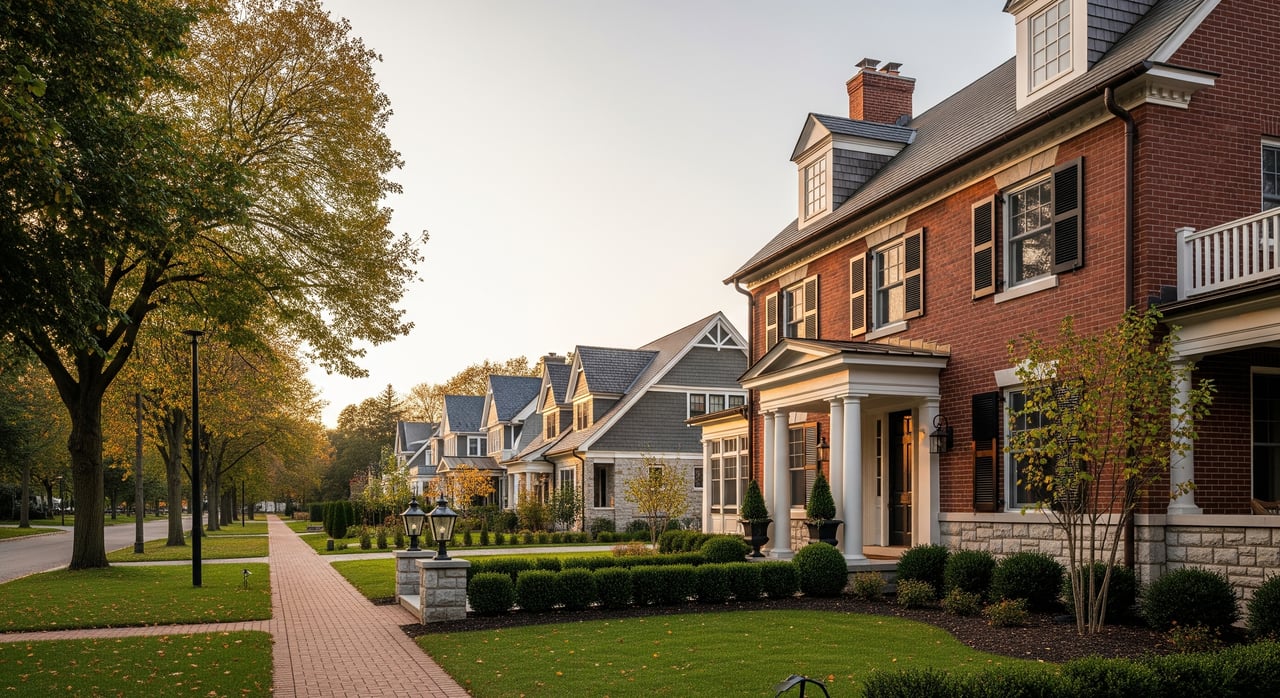
Thinking about moving to East Lansing but not sure which neighborhood fits your life? You are not alone. Between campus energy, nearby suburbs, and small-town options, the choices can feel overwhelming. This guide gives you a clear, side-by-side look at East Lansing and its neighboring communities, how commutes really work, and how to plan a smart preview trip. You will also see what to expect from a relocation process that keeps you informed at every step. Let’s dive in.
East Lansing at a glance
East Lansing centers on Michigan State University, a major anchor for jobs, arts, and events. The university shapes housing demand, seasonal rental turnover, and neighborhood character. If you want quick access to performances, sports, or lectures, explore areas near campus and the Grand River corridor. You can review campus maps and event calendars on the Michigan State University website.
Downtown East Lansing and Grand River Avenue offer a walkable mix of dining, coffee, and local retail. Parks and the Red Cedar River corridor add easy access to trails and green space. For block-level walkability and bikeability, tools like Walk Score’s East Lansing page help you compare addresses.
Regional employment spreads across MSU, downtown Lansing’s government and professional services, healthcare, and suburban office clusters in Meridian Township. That mix creates different commute patterns depending on where you land.
Where to live: neighborhoods and nearby communities
Below is a practical way to view the area by lifestyle and housing type. Always verify school boundaries and city rules before you decide.
Inner and campus-adjacent
- Housing: Small single-family homes (many converted to rentals), walk-up multi-unit buildings, condos, and small-lot houses.
- Fit: Graduate students, MSU faculty or staff, and anyone who wants to walk or bike to campus and enjoy nightlife.
- Tradeoffs: Higher turnover, tighter parking, and more noise on big event days.
Downtown and Grand River corridor
- Housing: Condos, mixed-use buildings, apartments, and nearby small single-family homes.
- Fit: You want a short commute and value a walkable routine with dining and entertainment.
- Tradeoffs: Less private outdoor space and more street-activity noise at peak times.
West and south residential areas
- Housing: Established single-family homes with larger yards and tree-lined streets.
- Fit: Buyers seeking quieter blocks, more parking, and a traditional neighborhood feel.
- Notes: Often served by East Lansing Public Schools, though boundaries vary. Confirm the assigned school for any address.
North and perimeter areas, including newer subdivisions
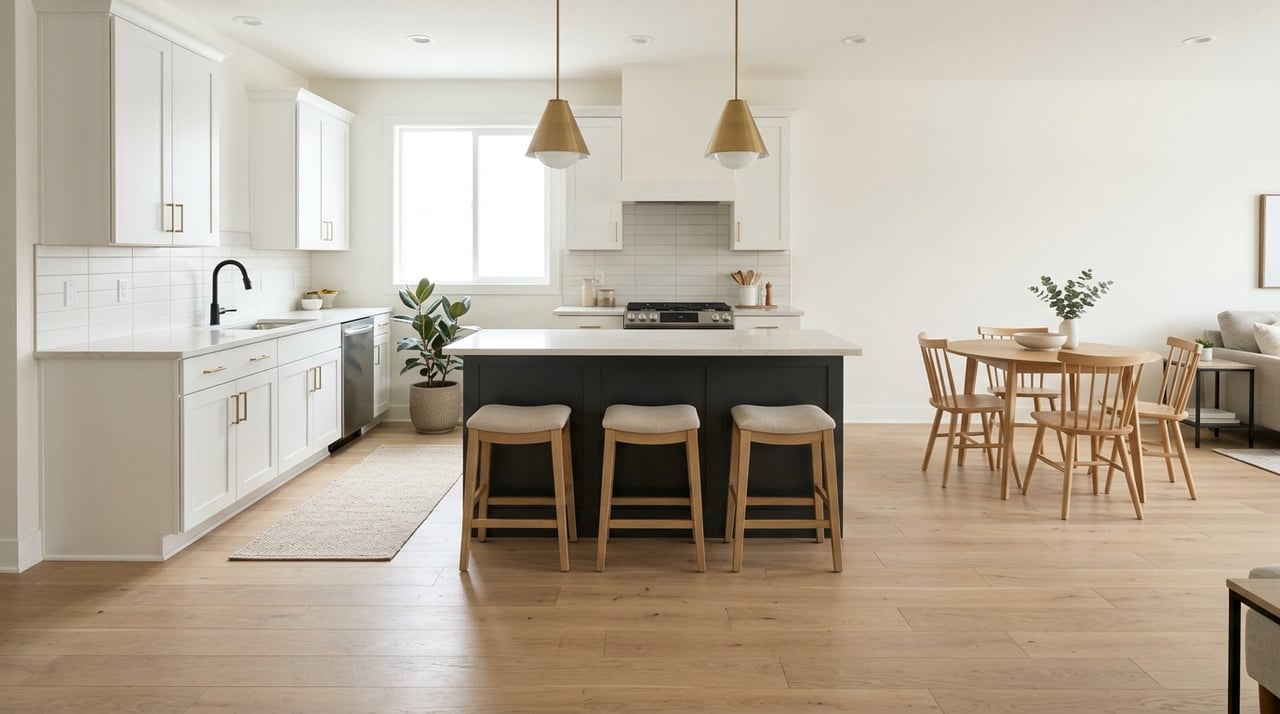
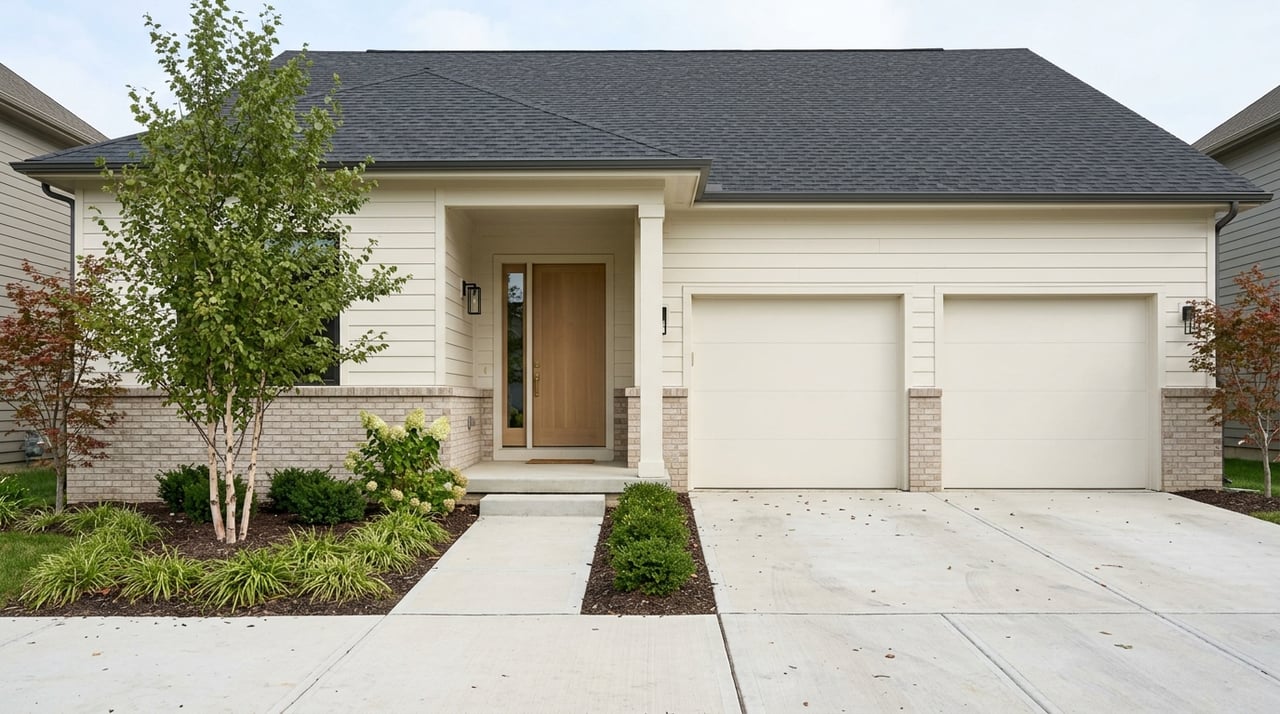
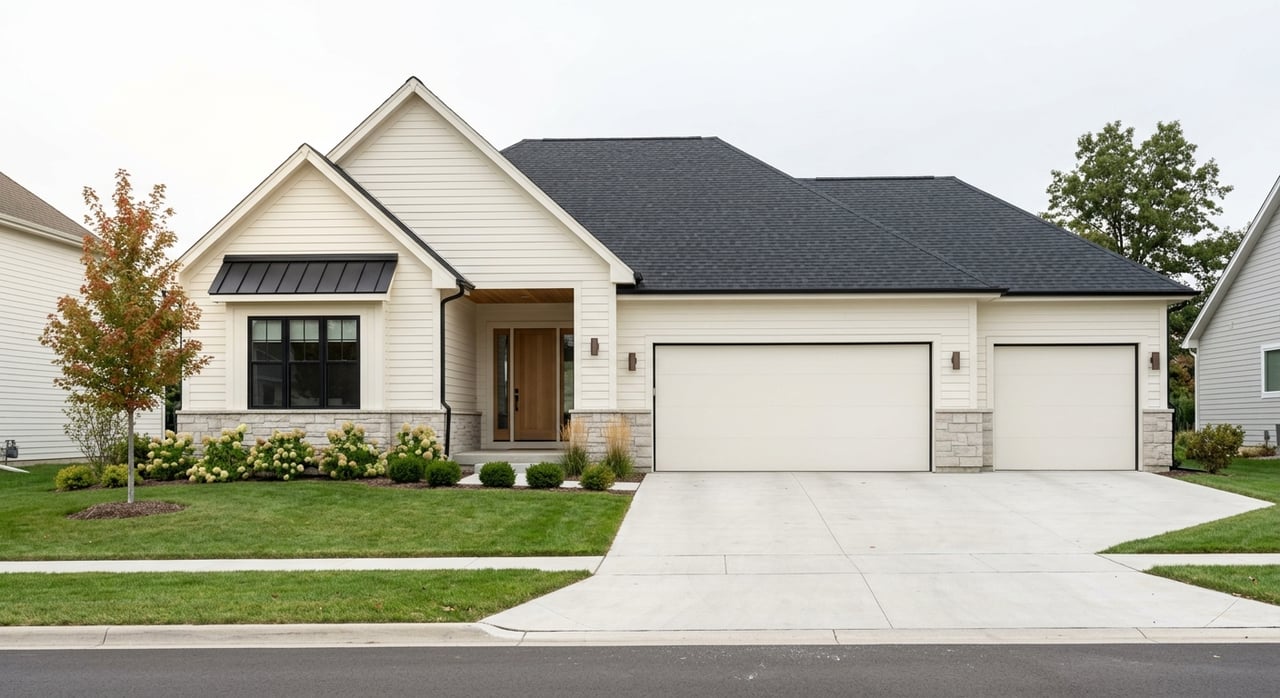
- Housing: Newer subdivision homes, some planned developments, and larger lots on the edges of East Lansing and Meridian Township.
- Fit: Buyers who want more space, newer construction, and suburban amenities. Commutes to campus can be longer and more car-dependent.
Nearby towns to compare
- Okemos (Meridian Charter Township): Known for stable single-family neighborhoods and family-focused amenities. Many professionals who work at MSU or downtown Lansing compare Okemos when weighing schools and commute balance.
- Haslett: Suburban setting with lakes and parks, plus newer housing options. Often on the shortlist for buyers who want suburban convenience.
- Lansing (city): A wider range of housing types and prices with proximity to state government jobs. Urban amenities vary by neighborhood.
- Williamston and Holt: Smaller-town feel and lower density in parts, usually with longer drives. Appealing if you want a quiet pace and do not mind a bit more time in the car.
Inventory near a major university can be cyclical. Listings often tighten before the academic year begins. If you are comparing owner-occupied homes and rental-conversion properties, also plan for city rules that affect licensing and occupancy. For current codes and rental registration, start with the City of East Lansing.
Commutes, transit, and parking
Commute patterns to key job centers
Your endpoints matter. Commutes within the city to MSU are often walkable or a short bike or drive, while trips from the suburbs to campus or downtown Lansing can be longer. Test your route at your typical commute time using a live map app before you commit to a neighborhood.
Public transit with CATA
The Capital Area Transportation Authority runs bus services across East Lansing, MSU, and Lansing. Routes serving campus are frequent and student-friendly. If you work at MSU or downtown, transit can be a realistic option depending on the line and time of day. Check routes, schedules, and fare details on CATA’s website.
Biking and walkability
Downtown and campus-adjacent blocks are the most walkable and bikeable. Trails along the river and neighborhood connectors make cycling practical when weather permits. For a quick comparison by address, review Walk Score for East Lansing.
Driving, major corridors, and event days
Grand River Avenue is the main commercial artery. Expect heavier traffic and stricter parking rules during major MSU events, especially football home games and large campus gatherings. If you choose a home near campus, plan for event-day guests and parking limitations.
Parking and local rules
On-street parking around downtown and campus often requires permits or observes time limits. Many multifamily buildings do not include off-street parking. Before you buy or lease, confirm on-site parking, guest options, and any permit requirements with the city’s resources at the City of East Lansing.
Schools, taxes, and regulations to verify
School district assignment can drive your decision. Parts of East Lansing are served by East Lansing Public Schools, while nearby areas may fall under Okemos, Haslett, Waverly, or Lansing districts. Always verify boundaries and enrollment procedures directly with the district.
Property taxes in Michigan combine county, city, school, and special millages, which vary by location. Review tax basics at the Michigan Department of Treasury, and pull current property records or past tax bills through Ingham County. If you plan to buy a rental or convert one, confirm licensing, inspections, and occupancy rules with the City of East Lansing before you write an offer.
Plan a smart preview trip
A focused 1 to 3-day visit gives you clarity and confidence. Use the steps below to make every hour count.
Before you arrive
- Get pre-approved or pre-qualified so you can book showings and act fast if the right home appears.
- Share 6 to 10 example listings with your agent to define price, housing type, and location.
- Rank your priorities: commute endpoints, school preferences, bedroom count, yard or garage needs, and tolerance for student activity.
- Choose a short-term stay in the area you are most likely to pick, such as downtown East Lansing or Okemos, to test daily life.
Sample one-day plan
- Morning: Walk and drive through 3 target neighborhoods. Note sidewalks, yard sizes, and access to parks and shops.
- Midday: Tour a mix of properties, such as a condo, a traditional single-family, and a student-rental conversion. Grab lunch downtown to sample the area vibe.
- Afternoon: Drive your actual commute at a typical time. Check distance to groceries, pharmacy, healthcare, and your preferred gym or trails.
- Evening: Return to your top neighborhood to assess night-time lighting, noise, and parking.
Questions to ask on tour
- If this was or is a rental, what is the typical turnover and tenant profile?
- How is internet service and cell reception at the property?
- What are average utility costs? Can we review recent bills?
- Are there HOA or neighborhood rules for parking or exterior maintenance?
- Which school serves this address, and what are the enrollment steps?
- What is the seller’s timeline, and are there recent inspections or known issues?
What to observe in person
- Street parking availability and any permit or time-limit signage.
- Condition of neighboring properties and common-area maintenance.
- Signs of rental activity, such as frequent move-ins, manager signage, or bulk trash.
- Noise sources, including nearby commercial corridors or collection routes.
How our relocation process works
A clear plan reduces stress. Here is the typical workflow you can expect when you work with us.
Initial consultation
- We map your budget, timeline, commute endpoints, school needs, and your comfort with student-dense areas.
- We discuss pre-approval and share market orientation materials, including neighborhood snapshots, school and amenity maps, and local rental rules.
Search and preview
- We curate listings that match your criteria and schedule virtual or in-person tours.
- We combine neighborhood drive-bys with on-foot walks so you can assess day and evening conditions.
- If you are considering new construction or a newer subdivision, we bring construction-aware guidance on floor plans, timelines, and site selection.
Offer and negotiation
- We prepare a data-backed strategy, handle documents, and negotiate terms, contingencies, and timelines.
Due diligence and inspections
- We help arrange inspections and interpret reports so you can decide on repairs, credits, or walk-away points.
Closing and move logistics
- We coordinate with your lender and title team, assist with utility transfers and address changes, and keep your timeline on track.
- We connect you with local service providers and community resources.
Our team blends construction knowledge with full-service brokerage so you can build, buy, or sell with confidence. If you want to compare a move-in-ready home with a new-build path, we can outline both routes and help you evaluate tradeoffs.
Timeline and budget expectations
- Typical homebuying timeline: about 4 to 12+ weeks from active search to closing, depending on inventory and financing.
- Buyers should budget for earnest money, closing costs, inspections, moving, utility deposits, and any immediate repairs or upgrades.
- Renters should plan for first and last month’s rent, security deposit, possible pet deposits, and application fees.
Ready to compare neighborhoods?
Choosing the right fit in East Lansing comes down to lifestyle anchors, commute patterns, and the kind of home you want. With a clear plan and local guidance, you can make decisions with confidence and move on your timeline. If you are ready to start, connect with Nicole Giguere for a local strategy session that aligns your build, buy, or sell path.
FAQs
How far is East Lansing from Detroit or Ann Arbor?
- Use a live map app to check current drive times for your exact start and end points. Traffic and construction can change the timing by day and hour.
Are student rentals noisy near MSU?
- Noise and activity tend to be higher near campus and downtown, especially on major event days. Perimeter neighborhoods are generally quieter.
Which areas do families often consider in East Lansing?
- Many buyers look at perimeter single-family neighborhoods in East Lansing, along with nearby Okemos and Haslett. Always verify school boundaries and programs directly with each district.
What should I expect for parking near downtown?
- On-street parking may require permits or follow time limits, and some multifamily buildings lack off-street spaces. Confirm parking details with the City of East Lansing and review options during property tours.
How do I avoid buying a student-rental conversion?
- Work with your agent to review a property’s rental history, check city rental registration through the City of East Lansing, and confirm past ownership in Ingham County records.
Is public transit realistic for commuting to MSU or Lansing?
- Yes, depending on the route and time. CATA runs bus lines across East Lansing, MSU, and Lansing, with frequent campus service. Review schedules and fares on CATA’s site.