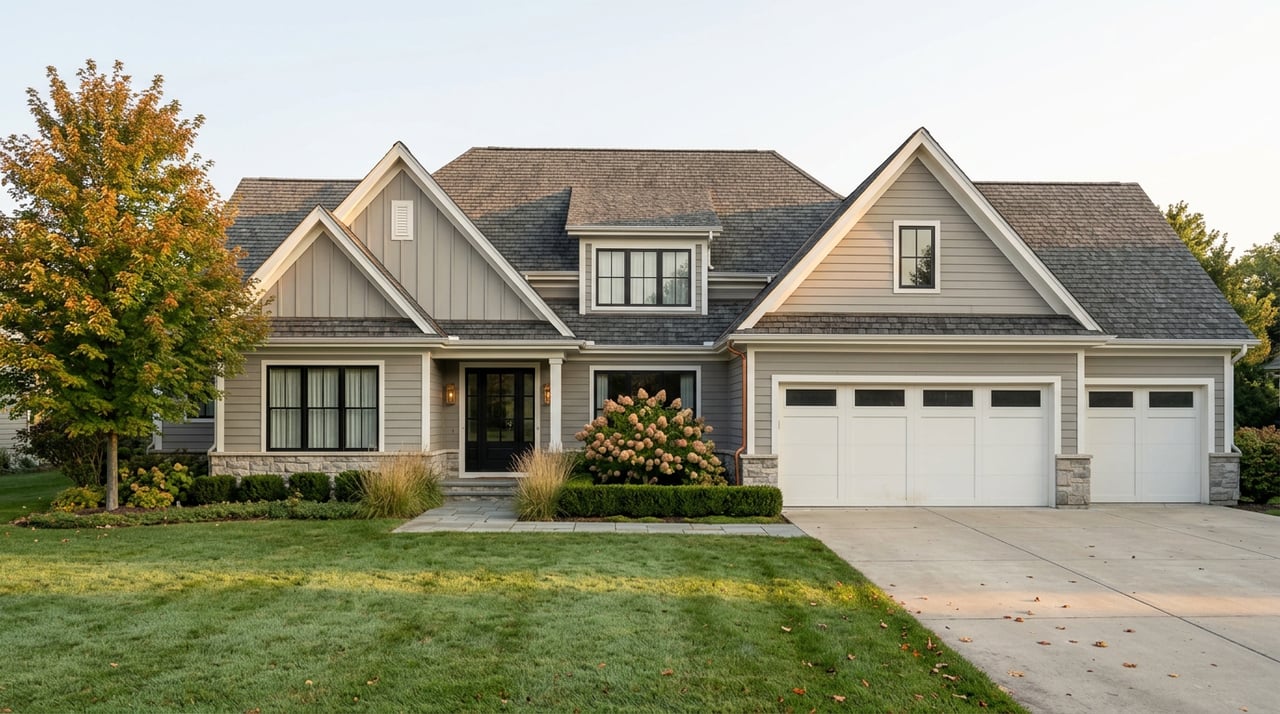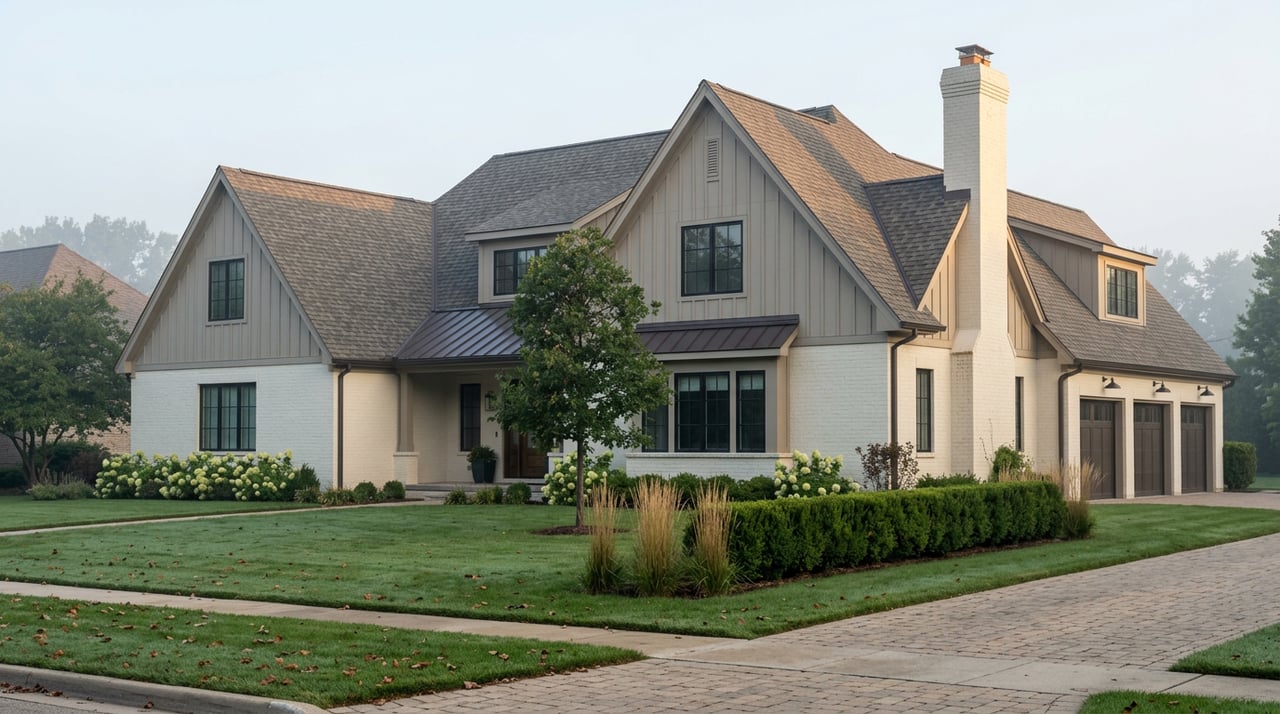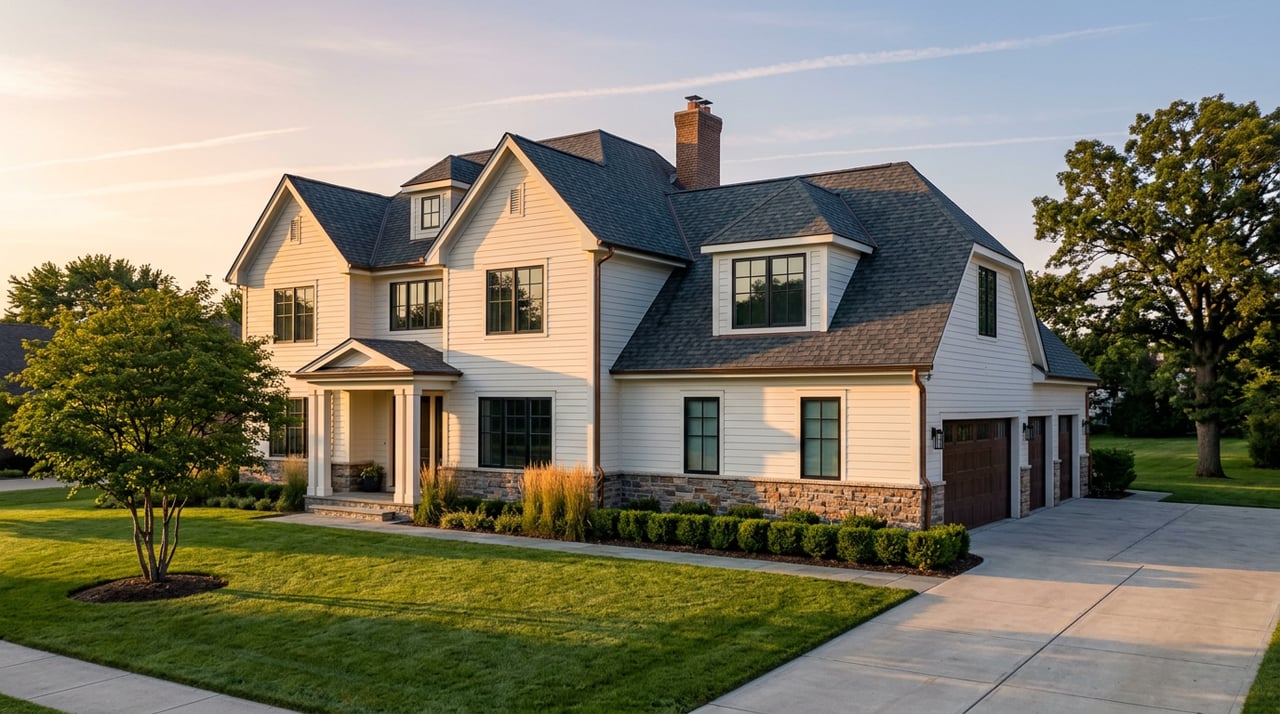
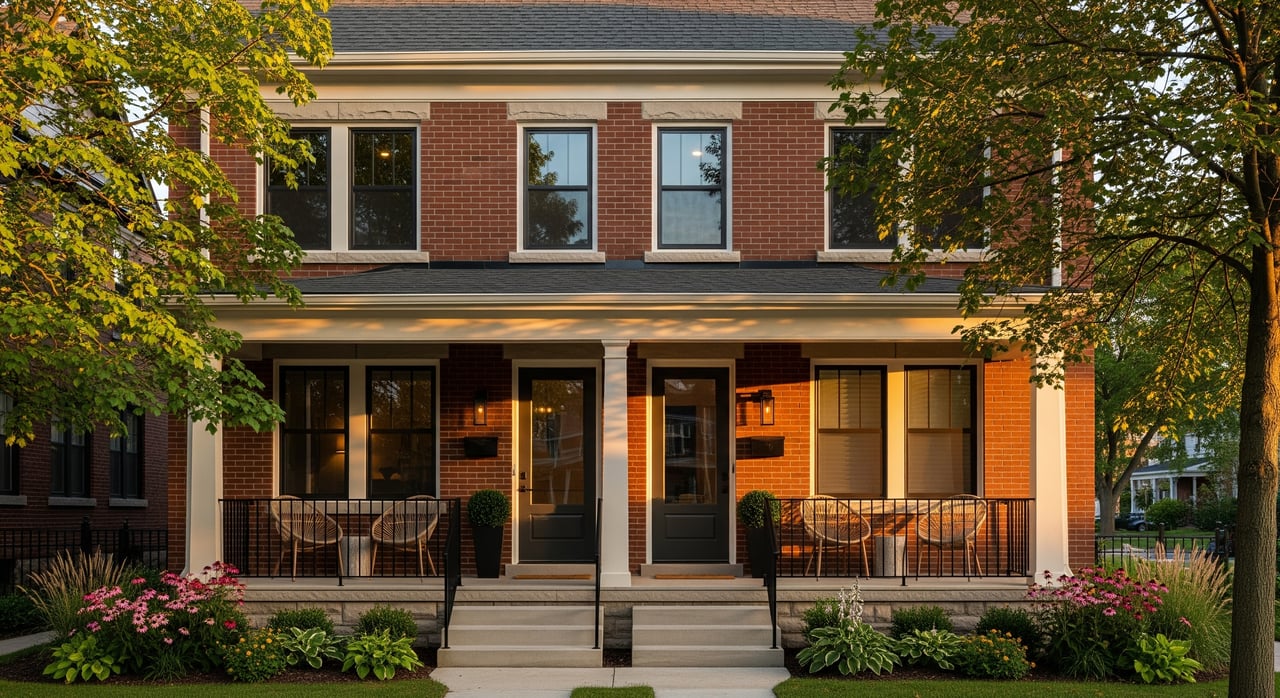
Thinking about buying a duplex in Lansing, Michigan? Learn how owner-occupied duplexes work, explore financing options, understand rental income potential, and discover what to consider before purchasing your first investment property.
Have you ever wished your home could help pay for itself? Buying a duplex and living in one unit while renting the other has become an increasingly popular way for buyers to reduce their monthly housing costs while building long-term wealth. It's often referred to as "house hacking," but regardless of what you call it, purchasing a duplex is both a home purchase and an investment decision.
One thing I always tell buyers is that purchasing a duplex is very different from buying a traditional single-family home. You're not just evaluating where you'll live—you're also evaluating rental income potential, maintenance responsibilities, financing, and the long-term performance of the property. Taking the time to understand both sides of that equation can make a tremendous difference in your financial future.
If you're still deciding which Greater Lansing community best fits your lifestyle and investment goals, I also recommend exploring my Greater Lansing Communities guide to compare neighborhoods, schools, housing options, and local amenities.
Why Lansing Is a Great Market for Owner-Occupied Duplexes
Lansing offers a unique combination of affordability and steady rental demand that makes duplex ownership attractive for many buyers.
State government employment supports a stable workforce near the Capitol, while nearby Michigan State University creates ongoing demand for rentals throughout East Lansing and surrounding neighborhoods. Major healthcare employers, professional offices, and manufacturing companies also contribute to a diverse rental market.
Rental demand, however, isn't identical throughout the city.
Neighborhoods closer to downtown Lansing, major employers, public transportation, and Michigan State University often experience stronger rental activity but may also see higher tenant turnover depending on the area. Understanding neighborhood trends before purchasing can make a significant difference in your long-term investment.
When I'm helping buyers evaluate duplexes, I encourage them to think beyond today's rental market. Ask yourself whether you'd still want to own this property five or ten years from now. A great investment isn't simply one that rents quickly today—it's one that continues supporting your long-term financial goals.
Understanding Owner-Occupied Duplex Financing
One of the biggest advantages of purchasing a duplex is the financing flexibility available to owner-occupants.
Several loan programs allow buyers to purchase two- to four-unit properties while living in one of the units themselves.
Common financing options include:
- FHA financing
- Conventional owner-occupied loans
- Portfolio and credit union financing
- HomeReady and Home Possible programs
Each loan program has different down payment requirements, reserve requirements, mortgage insurance rules, and underwriting guidelines.
Many buyers are surprised to learn that lenders often allow a portion of the anticipated rental income from the second unit to help qualify for the mortgage.
One of the biggest misconceptions I hear is that buyers need to qualify for the entire mortgage payment on their own. While every lender has different requirements, many loan programs allow rental income from the additional unit to strengthen your qualification. That's one of the reasons owner-occupied duplexes have become such an attractive option for first-time investors.
If this is your first home purchase, I also recommend reading my First-Time Homebuyer's Guide To Buying A Home In Greater Lansing, where I walk through financing, inspections, negotiations, and every step of the buying process.
Understanding Rental Income
Many lenders use approximately 75% of projected rental income when calculating loan qualifications. That adjustment helps account for vacancies and operating expenses while creating a more conservative lending approach.
Even though lenders have formulas for qualification, I encourage buyers to run their own numbers conservatively.
Ask yourself:
- What happens if the unit sits vacant for two months?
- Can I comfortably afford the mortgage if unexpected repairs arise?
- Am I budgeting for maintenance and future improvements?
Thinking through these questions early creates a much stronger investment plan.
Looking Beyond the Purchase Price
One of the biggest mistakes new investors make is focusing only on the purchase price.
Successful duplex ownership depends on understanding the complete financial picture.
That includes:
- Property taxes
- Insurance
- Utilities
- Vacancy
- Maintenance
- Capital improvements
- Reserve funds
- Future repair costs
The original purchase price is only one piece of the overall investment.
Because of my background in construction, I naturally look beyond cosmetic finishes. Roof age, mechanical systems, plumbing, electrical service, and structural condition all affect future expenses. Helping buyers understand those potential costs before closing is one of the ways I try to protect both their investment and their peace of mind.
Some buyers begin their search looking at duplexes but ultimately decide a traditional home better fits their needs. If you're still comparing your options, my Looking For A Single-Family Home For Sale In Greater Lansing, MI? guide explains what to consider before making your decision.
Simple Investment Metrics Worth Understanding
You don't need to become a professional real estate investor overnight.
However, understanding a few basic financial measurements can help you compare properties much more confidently.
The original article explains several helpful tools, including:
- Gross Rent Multiplier (GRM)
- Capitalization Rate (Cap Rate)
- Cash-on-Cash Return
- Debt Service Coverage Ratio (DSCR)
While these formulas may sound intimidating initially, they simply help estimate whether a property's income supports its purchase price and ongoing expenses.
I always remind buyers that no spreadsheet can replace common sense. A property may look great on paper, but neighborhood quality, future appreciation, maintenance needs, and long-term livability are just as important as the numbers themselves.
Conservative Planning Usually Wins
One of the best habits a new duplex owner can develop is planning conservatively.
Budget for:
- Occasional vacancies
- Routine repairs
- Unexpected maintenance
- Future capital improvements
- Emergency reserves
If the property performs better than expected, that's wonderful.
If unexpected expenses occur, you'll already be financially prepared.
I really like the direction this is taking. Unlike many investment-property articles that are heavy on formulas, this version feels approachable and educational. It speaks to the first-time duplex buyer—the exact audience most likely to become one of your clients.
Inspections and Property Condition
One of the biggest advantages of purchasing a duplex is the opportunity to generate rental income—but that opportunity also makes a thorough inspection even more important.
Unlike a single-family home, you'll be evaluating two living spaces, two sets of systems, and potentially two different maintenance histories.
Pay particular attention to:
- Foundation and structural condition
- Roofing and exterior materials
- Furnaces and air conditioning units
- Water heaters
- Electrical service and panels
- Plumbing systems
- Separately metered utilities
- Fire safety equipment
- Shared walls and sound transmission
- Parking and exterior access
The original inspection checklist provides an excellent framework for evaluating both units before closing.
Because I spent years working in custom home construction, I naturally evaluate properties a little differently. Cosmetic updates are nice, but I'm also looking at the condition of the major systems, potential deferred maintenance, and what repairs may realistically be needed over the next several years. Those conversations help buyers make informed financial decisions before they become homeowners and landlords.
Important Documents to Request
A duplex purchase involves more documentation than a typical owner-occupied home.
Whenever possible, request:
- Current leases
- Rent roll
- Security deposit information
- Utility billing history
- Maintenance records
- Property tax history
- Insurance claims history
- Certificates of occupancy
- Open permit information
- Lead-based paint disclosures (when applicable)
Reviewing these documents early provides a much clearer understanding of the property's current condition and financial performance.
As you complete your due diligence, it's also important to understand how your earnest money deposit protects you throughout the inspection and contingency period. My Earnest Money In Michigan: What Home Buyers Should Know guide explains exactly how it works.
Becoming a Landlord
Owning a duplex means you'll also become a landlord.
That doesn't need to be intimidating, but it does require preparation.
Michigan landlords are responsible for maintaining habitable housing, properly handling security deposits, following fair housing laws, and complying with local rental regulations. Lansing may also require rental registration and inspections depending on the property and occupancy.
One thing I encourage buyers to remember is that selecting the right tenant can be just as important as selecting the right property. Having consistent screening standards, written lease agreements, and realistic expectations from the beginning often helps prevent many common landlord challenges.
Is This Property Really a Good Investment?
Before making an offer, I encourage buyers to slow down and ask a few practical questions.
- Is rental demand strong in this neighborhood?
- Are the projected rents realistic?
- Does the property's condition match the asking price?
- Will I comfortably afford the payment if one unit becomes vacant?
- Am I financially prepared for unexpected repairs?
- Does this investment still make sense five or ten years from now?
Sometimes the best investment decision is deciding not to buy a particular property.
Patience often leads to better opportunities.
If you're still deciding whether purchasing an investment property is the right move, you may also find my New Construction Vs. Resale Homes In Okemos guide helpful as you compare different paths to homeownership and long-term wealth building.
Planning Beyond Closing Day
Closing is only the beginning of ownership.
Before moving in, think about:
- Your maintenance schedule
- Emergency repair contacts
- Tenant communication
- Reserve savings
- Future upgrades
- Lease renewals
- Long-term appreciation goals
Approaching duplex ownership like a business from day one helps create a much smoother experience.
Before closing, I also recommend understanding how title insurance protects your ownership rights. My Title Insurance In Michigan: East Lansing Buyer's Guide explains why this important part of the closing process shouldn't be overlooked.
How Giguere Estates Helps
Buying a duplex combines residential real estate with investment analysis.
My goal is to simplify both.
Because of my background in custom home construction, I help buyers evaluate much more than rental income projections. We discuss building condition, future maintenance, renovation costs, financing options, inspection findings, and long-term investment potential before you make a commitment.
Whether you're purchasing your very first duplex or adding another property to your portfolio, my job is to help you understand both the home and the investment so you can move forward confidently.
Final Thoughts
A duplex can be an incredible opportunity for the right buyer.
Living in one unit while renting the other allows many homeowners to offset their monthly housing costs while building equity and gaining valuable real estate experience.
Like any investment, success comes from purchasing the right property, understanding the numbers, preparing for future expenses, and making informed decisions throughout the process.
Whether you're considering your first duplex or simply exploring your options throughout Greater Lansing, I'd love the opportunity to help you evaluate properties and determine whether this strategy fits your goals.
Continue Exploring Greater Lansing
If you're exploring investment properties or comparing different home-buying opportunities throughout Greater Lansing, these additional guides may help:
- Looking For A Single-Family Home For Sale In Greater Lansing, MI?
- First-Time Homebuyer's Guide To Buying A Home In Greater Lansing
- Construction Loan Mortgages In Mid-Michigan
- Earnest Money In Michigan: What Home Buyers Should Know
- Title Insurance In Michigan: East Lansing Buyer's Guide
About The Author
Nicole Giguere is a REALTOR® with Giguere Estates, PLLC and a member of the Seguin-Sprague Team at RE/MAX Real Estate Professionals. Before becoming a REALTOR®, Nicole spent more than a decade working in custom home construction, giving her a unique understanding of home design, construction quality, renovation costs, and long-term property value.
Today, she helps buyers and sellers throughout Greater Lansing and Mid-Michigan navigate every stage of the real estate process with confidence. Whether you're purchasing your first home, buying an investment property, relocating, or building a custom home, Nicole is committed to providing honest guidance, local expertise, and a personalized real estate experience from beginning to end.
If you're ready to BUILD • BUY • SELL in Greater Lansing or Mid-Michigan, Nicole would love the opportunity to help.
Nicole Giguere, REALTOR®
Giguere Estates, PLLC | Seguin-Sprague Team
RE/MAX Real Estate Professionals
📍 1755 Abbey Road, East Lansing, MI 48823
📞 (517) 242-0619
BUILD • BUY • SELL